Analysis Energy
Uganda first oil slips to June 2027 as EACOP nears completion
Uganda now expects first oil before the end of June 2027, after missing a July 2026 target. The EACOP pipeline is 92% complete, and officials say it should be ready for crude by mid-December.
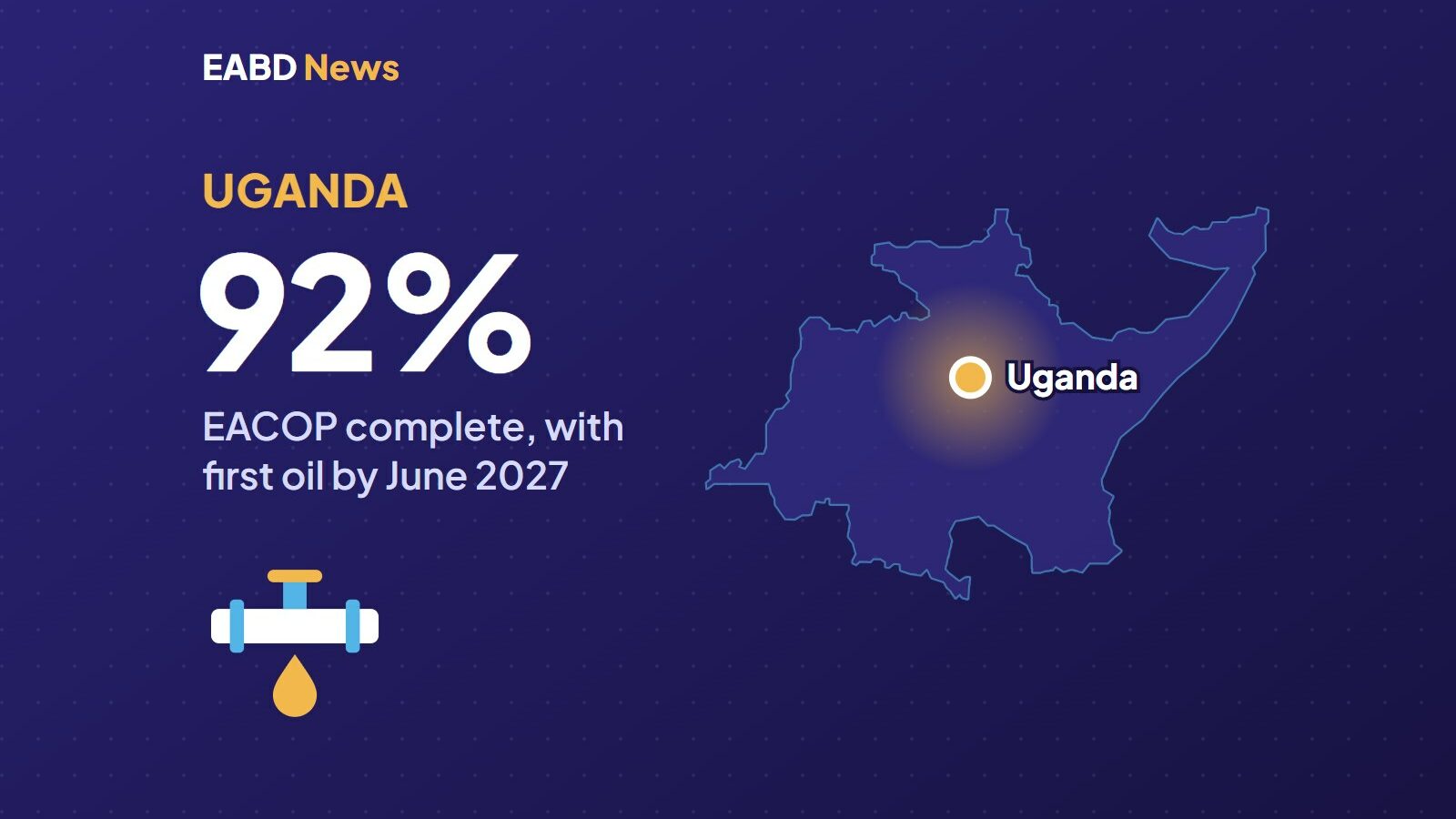
Uganda first oil is now expected before the end of June 2027. That replaces a target of 31 July 2026, which the country missed. Kristina Kasebayo of the Uganda National Oil Company (UNOC) confirmed the window at African Energy Week in Cape Town on 15 October. She also said the East African Crude Oil Pipeline (EACOP) was 92% complete.
That matters far beyond the oil sector. The national budget counts on oil money. Contractors have hired people and bought equipment. The Bank of Uganda also lists oil among the things that should lift growth.
Why did Uganda first oil slip again?
This is not the first new date. In 2023, Uganda was on track for the end of 2025. In May 2025, the target moved to June 2026. In March 2026, the Petroleum Authority of Uganda told Parliament to expect first oil by the end of July.
The authority’s Ernest Rubondo blamed the latest slip largely on specialised equipment held up by the war in the Middle East, according to UG Business. June 2027 is also a window, not a date. Finance Minister Henry Musasizi would not give MPs a month. He warned that naming one too early could affect investors if plans change.
How far along are the oil projects?
Three projects must come together before oil can flow.
- EACOP: 92% complete in October. Officials told Parliament that 1,414 km of the 1,443 km line was complete and buried. The project’s website gives the length as 1,447 km.
- Tilenga: 78% complete. TotalEnergies operates this project, which is designed to produce 190,000 barrels a day at peak.
- Kingfisher: 90% complete. Its central processing facility was 99% built by late September. It is planned at about 40,000 barrels a day.
State Minister Sandra Santa Alum has said Kingfisher alone cannot support commercial production. So Tilenga’s progress matters a great deal. TotalEnergies CEO Patrick Pouyanné said in July that he expected Tilenga to ramp up in the first half of 2027.
Pump stations three and four are still outstanding on the pipeline, along with electrical, telecoms, ICT and security systems. Officials say the line should be ready to receive crude by mid-December. That is not the same as exports. The heated pipeline must first be commissioned and filled before a cargo can load at Tanga.
What does the delay mean for the budget?
The 2026/27 budget projects Shs1.8 trillion in petroleum revenue, including capital gains tax. How much of that depends on the start date is unclear.
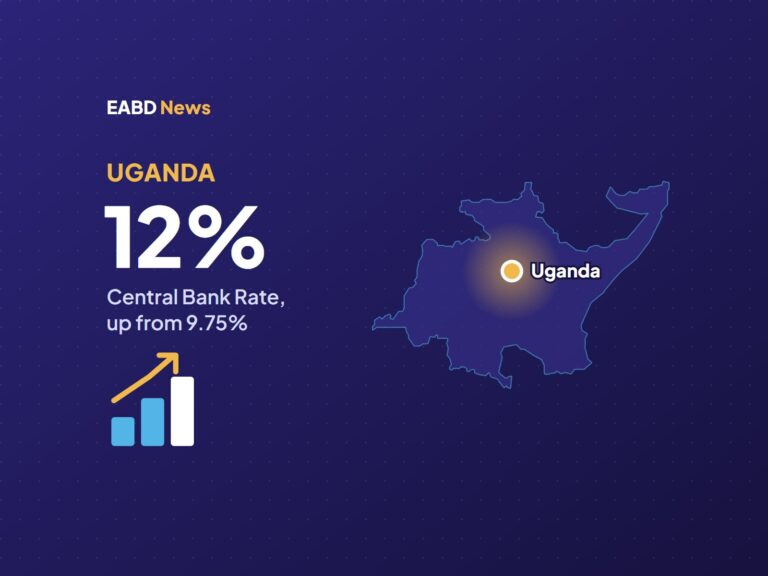
The timing is awkward. The Bank of Uganda raised its key rate to 12% in October and cut its 2026/27 growth forecast to 6.0% to 6.5%. It still sees about 8% over the medium term, and it names anticipated oil-sector developments as one reason. Every delay pushes that benefit further out.
Who owns EACOP?
TotalEnergies holds 62%. UNOC and the Tanzania Petroleum Development Corporation hold 15% each. CNOOC holds the rest. The project’s website cites investment of some US$4 billion across Uganda and Tanzania.
Tanzania has a lot riding on it too. More than 200 Tanzanian companies hold contracts worth over TZS 1.325 trillion.
What about the refinery?
UNOC plans a final investment decision on Uganda’s domestic refinery in February 2027, with completion targeted for 2030. Uganda will market its crude as Pearl Sweet. In September, a UNOC official said the first cargo could load in December, but UG Business noted that this has not been confirmed since.
What should Ugandan firms do now?
- Do not plan around one date. If your cash flow depends on oil work, plan for the end of the window, not the start.
- Talk to your main contractor. Ask what work remains, and when your contract ends. Much of the building phase will wind down as projects finish.
- Think about the next phase. Operating an oilfield needs different services from building one. Logistics, maintenance, catering and security will all stay in demand.
- Follow local content rules. EACOP publishes national and local content information on its website. Energy suppliers should keep their papers in order.
- Be easy to find. Hospitality is the largest sector among the 19,870 Ugandan businesses on EABD, with 3,760 firms. Big buyers also use EABD Sourcing to compare quotes.
What happens next?
Watch two dates. Mid-December is when EACOP should be ready for crude. February 2027 is when the refinery decision is due. Between them, Tilenga’s progress will show whether Uganda first oil arrives early in the window or late. The Budget Committee chair, Amos Kankunda, has said MPs want to prevent another delay.