Analysis Energy
Somalia oil well Curad-1: what to know before the results
Somalia's first offshore well, Curad-1, is expected to finish around the end of 2026. No discovery has been confirmed. Here is where drilling stands, and what a result would and would not change for business.
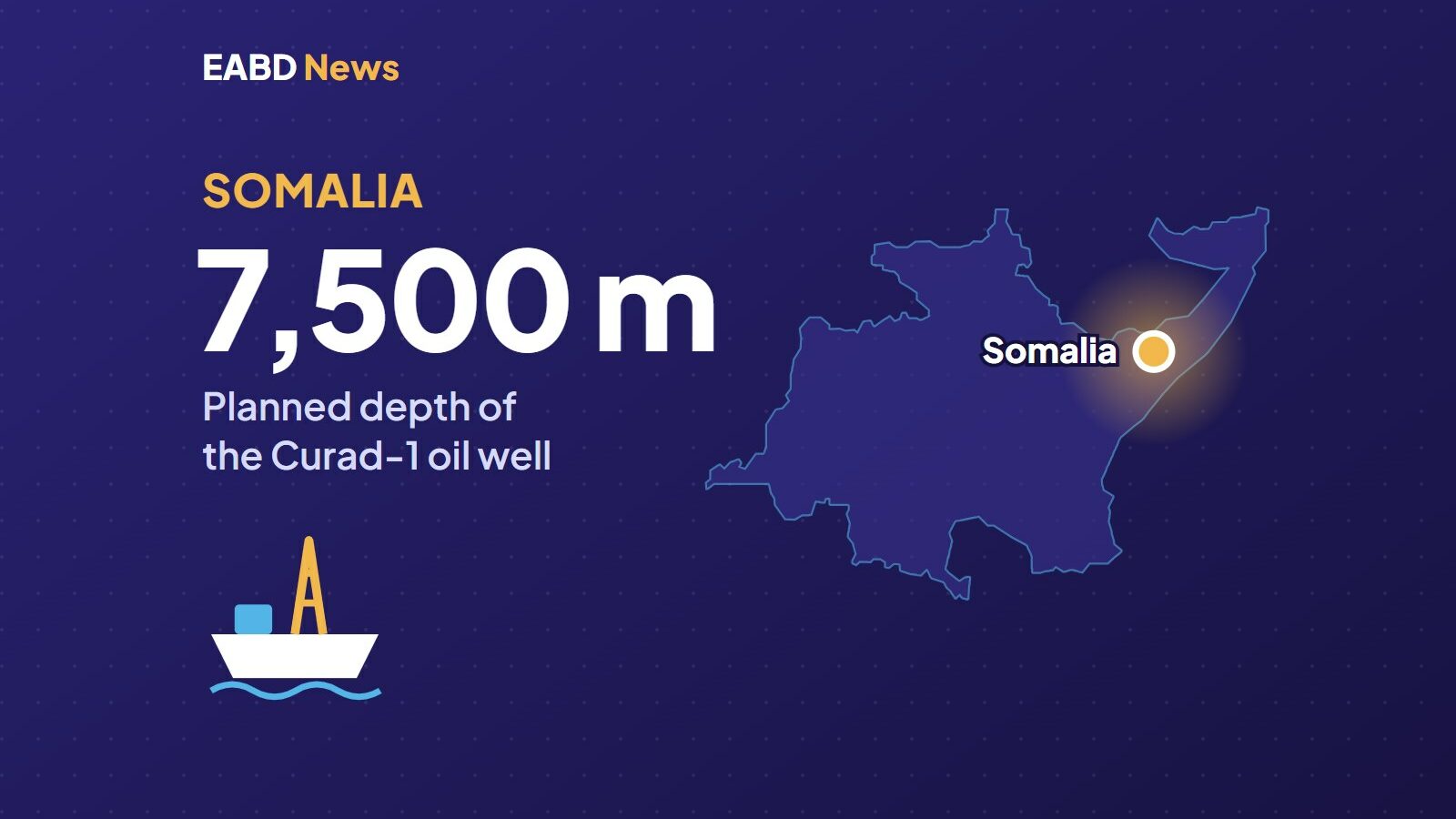
Somalia oil hopes now rest on one well. Curad-1, the country’s first offshore well, is being drilled about 372 km from the coast by TPAO, Türkiye’s state oil company. Officials expect first results by the end of 2026. No commercial discovery has been confirmed.
The name means “first-born child” in Somali. It fits the mood. People are watching this well closely, and it is easy to get ahead of the facts. Here is what is known, what is not, and what it means for Somali businesses.
How far has Curad-1 got?
The drillship Çağrı Bey arrived in Mogadishu in April after a 53-day voyage. The well is planned to reach about 7,500 metres in total, FTL Somalia reported. About 3,500 metres of that is water, and about 4,000 metres is below the seabed.
The timetable has shifted. In August, Somali Petroleum Authority head Abdulkadir Adan said the well had reached about 3,000 metres and could finish by the end of September, Drilling Contractor reported. A commentary on 30 October says about 2,000 metres remained, and points to completion in December. We have not seen an official update that settles this.
President Hassan Sheikh Mohamud visited the ship in mid-October. A statement from his office said he was briefed on preliminary findings. Those findings have not been published.
What is the deal with Türkiye?
Somalia and Türkiye signed an offshore oil and gas cooperation agreement in March 2024, and a production sharing agreement followed in 2025. The survey ship Oruç Reis collected 3D seismic data over 4,464 square kilometres across three blocks before the site was chosen.
The terms are the subject of real debate. The 30 October commentary says the deal lets Türkiye claim up to 90% of early production revenue to recover costs. That comes from an opinion piece, and we have not seen the contract.
That is the heart of the complaint. The Somalia Transparency Initiative has urged the immediate release of the oil contracts. MP Abdirahman Abdishakur Warsame has called the pact “profoundly imbalanced”. Until the contract is public, nobody outside the deal can say what share of any oil would stay in Somalia.
What would a discovery actually change?
Less than you might think, and not quickly. A single good result proves only that one well found something. It would still need appraisal drilling, a development plan, export infrastructure and a clear tax and legal framework before any revenue could flow.
That takes years. Estimates of 30 to 40 billion barrels offshore are often quoted, but those are unproven numbers from geologists, not reserves. Prime Minister Hamza Abdi Barre spoke in April of first oil within months. Most of the industry timetable points much further out.
The IMF’s October statement notes that Somalia is preparing a competitive petroleum licensing round. It also expects growth of just 2.3% in 2026. For now, remittances and trade drive the economy, not oil.
Is there business in it today?
Some, though it is limited. Between 470 and 480 people work on the drilling and support vessels, and Turkish nationals make up about 20% of them, Drilling Contractor reported. Offshore work needs supplies, port services, transport and people.
A bigger opening may come later. If the licensing round goes ahead, new operators will need local partners. Logistics firms, energy suppliers, lawyers and accountants would be among the first to be called.
What should Somali firms do now?
- Do not plan around oil yet. Keep your business built on the customers you have today. A result is not revenue.
- Get your records in order. International operators check licences, tax papers and accounts before they hire anyone.
- Build safety and quality systems. Offshore work has strict rules. Firms that already meet them will move first.
- Follow the licensing round. Watch the Somali Petroleum Authority for dates and terms.
- Make yourself easy to find. Retail is the largest sector among the 10,972 businesses in Somalia on EABD, with 2,974 firms. Listing is free, and EABD Sourcing connects suppliers with buyers.
What happens next?
Watch for three things: an official result from Curad-1, the release of the oil contracts, and the terms of the licensing round. The first will set the mood. The other two will decide how much Somalia oil could really mean for Somalis, if oil is found at all.