Analysis Energy
South Sudan oil: Zarubezhneft eyes former Petronas stakes
South Sudan has agreed in principle to pass Petronas's old oil stakes to Russia's Zarubezhneft. But two arbitration cases and a court order hang over the same assets. Here is what we know.
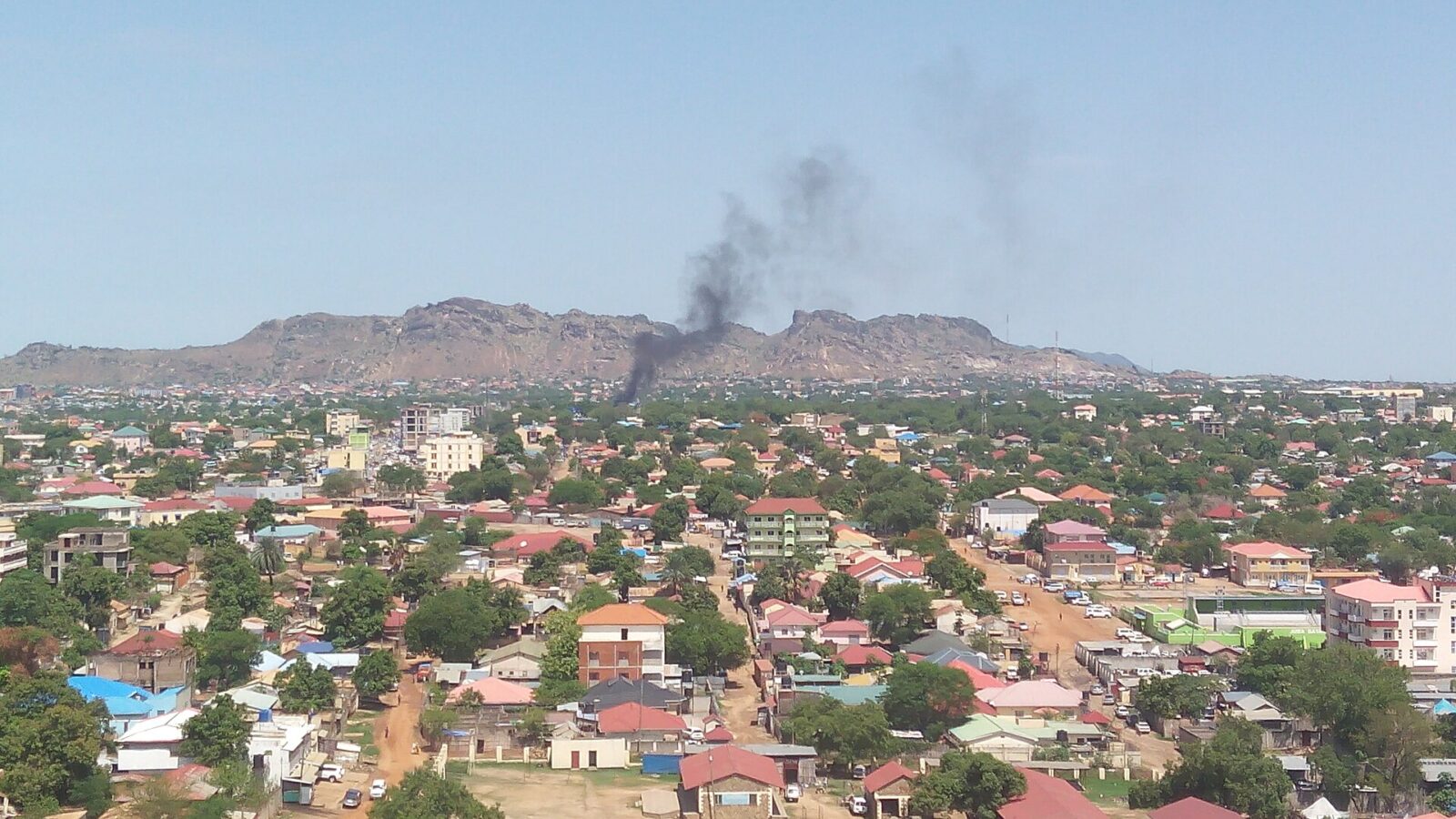
South Sudan oil has a new would-be partner. On 29 October in Moscow, the governments of South Sudan and Russia signed a preliminary deal. It would pass the oil stakes once held by Malaysia’s Petronas to Zarubezhneft, a Russian state oil company.
The deal is far from done. Two other companies say they have claims on the same assets. A court in Mauritius has also told the state oil firm not to sell or move them for now.
What did South Sudan sign?
A memorandum of understanding and a letter of acceptance. They were signed at Russia’s Ministry of Energy, during the Russia-Africa summit. South Sudan’s Petroleum Minister Awow Daniel Chuang and Russian Energy Minister Sergey Tsivilev led the talks, the Office of the President said.
The deal covers stakes in two of the country’s main oil groups:
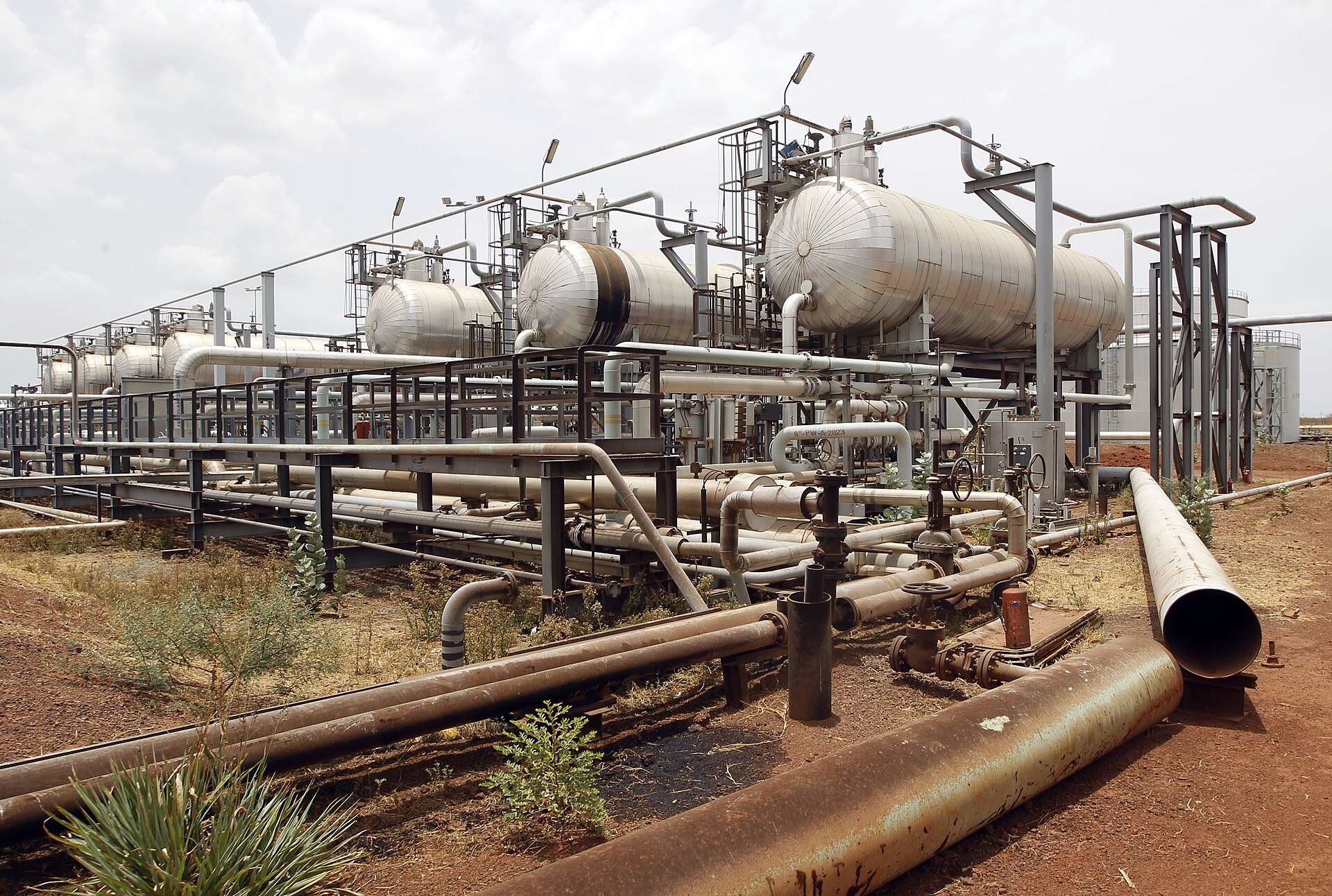
- Dar Petroleum Operating Company (DPOC), which runs Blocks 3 and 7 in Upper Nile State. Petronas held 40%.
- Greater Pioneer Operating Company (GPOC), which runs Blocks 1, 2 and 4 in Unity State and Ruweng. Petronas held 30%.
The statement did not give a price. It did not say how big a stake Zarubezhneft would take, or when the deal would close. State oil company Nile Petroleum Corporation, or Nilepet, said Zarubezhneft’s experience with older fields made it a good fit.
Why is there a dispute?
The story goes back to 2024. Petronas announced in August that year that it would leave South Sudan after almost three decades. It agreed to sell its assets to Savannah Energy, a British company, in a deal reported at about US$1.25 billion. The sale never closed.
Instead, Nilepet took control of the assets. Petronas called the government’s actions “arbitrary, unreasonable and unlawful” and started arbitration, Radio Tamazuj reported.
A second claim followed. Aquilon FZCO, a company based in the United Arab Emirates, says it signed a deal for the same assets in March 2025. It says it paid US$50 million and could lose more than US$300 million. The World Bank’s arbitration body, ICSID, registered its case on 16 October.
The Supreme Court of Mauritius has issued a temporary order. It stops Nilepet from selling or transferring the disputed assets while arbitration goes on. The court is due to look at it again on 5 February 2027. The government and Nilepet had not publicly answered Aquilon’s claims.
Why does it matter?
Because oil pays for almost everything. It provides most of the government’s revenue and export earnings. Output has suffered from old equipment and repeated damage to the export pipeline through Sudan.
Fresh investment could lift output from older fields. But an owner fighting legal claims may hold back spending. Partners and lenders want clear title before they commit money.
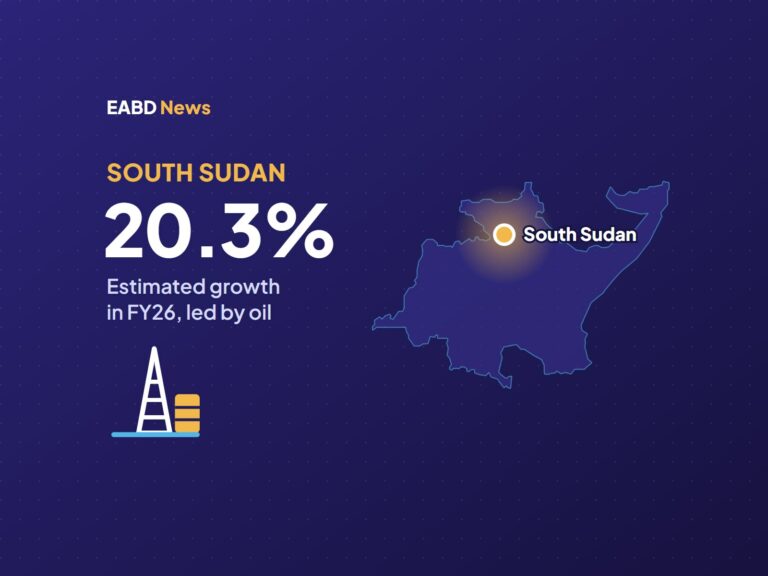
The economy is growing again after a hard few years. The IMF and others expect strong growth this year, as we reported when the economy rebounded. That growth depends on oil flowing.
What does it mean for businesses?
- Check who you are dealing with. If you supply the oil groups, confirm who signs and who pays. Ownership could change during the year.
- Protect your payments. Ask for advance payment or letters of credit where you can. Disputes can slow approvals.
- Mind the bank checks. South Sudan is still on the FATF list of countries under increased monitoring. Expect banks to ask more questions on transfers.
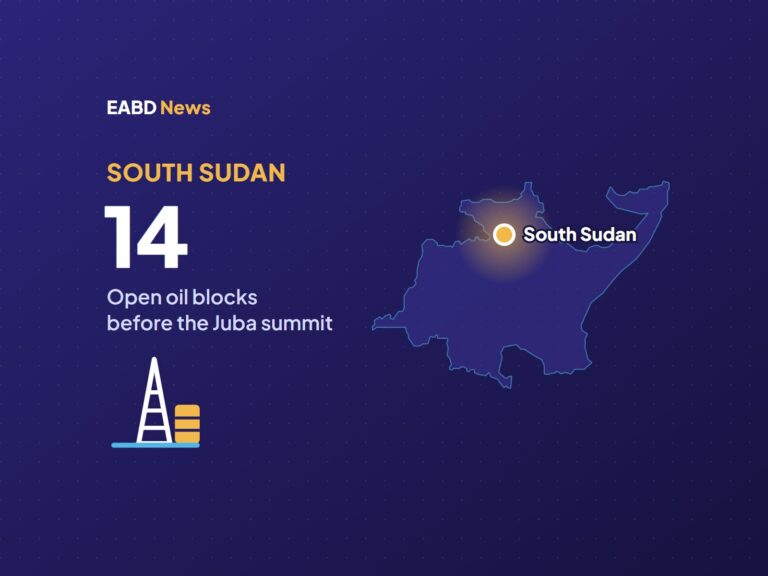
- Keep an eye on new blocks. Fourteen open blocks are on offer ahead of the Juba energy summit on 24 and 25 November.
Suppliers and service firms can be found among the energy businesses in South Sudan on EABD.
What happens next?
Watch for a final agreement with Zarubezhneft and its terms. Watch also for rulings in the two arbitration cases, and for the Mauritius court in February. Any of them could change who owns these fields.
You can browse all businesses in South Sudan on EABD.
Businesses in this story