Analysis Energy
Econet Burundi moves 50 mobile sites to solar in US$6.5m plan
Econet Wireless Burundi has started moving its mobile network off diesel. The first US$2.5 million phase puts solar and batteries on a third of its sites, cutting diesel use by about 300,000 litres a year.
The Econet Burundi solar project has begun. Econet Wireless Burundi, which trades as Econet Leo, is moving part of its mobile network off diesel generators and onto solar power with batteries. Work started with a groundbreaking in Bujumbura on 5 November.
The first phase costs about US$2.5 million. It is the start of a plan worth up to US$6.5 million. The goal is a network that runs on clean power by December 2028.
What will the Econet Burundi solar project do?
It puts solar panels and batteries at mobile sites that now depend on diesel. The first phase covers about a third of Econet’s network. A post by the project team puts that at 50 sites, all fully dependent on diesel today.
The numbers for the first phase are:
- Solar: 626.56 kWp of panels.
- Storage: 2,073.6 kWh of batteries, so sites keep running at night.
- Clean power: about 1.07 GWh a year.
- Diesel saved: about 300,000 litres a year.
- Emissions: about 800 tonnes of carbon dioxide avoided a year.
The first solar sites should switch on in February 2027. The first phase should be complete by July 2027.
Chief executive Nepias Njaravaza said the investment builds on the company’s two decades in Burundi’s telecoms market. Econet is no stranger to this. In 2018 it fitted hybrid power systems to more than 30% of its sites, according to a company press release at the time.
Who is paying for it?
This is not a grant. It is private money, repaid over time. The project team describes it as the first privately financed commercial and industrial solar project in Burundi.
- GEFI Solutions SEZ, part of the Solio Group, arranged the finance. The first phase is funded over eight years.
- CRDB Bank Burundi gave a guarantee that helped secure the money.
- Growth Energy does the engineering and building, working with Clear Blue Technologies.
The model is simple. The savings on diesel help pay for the panels and batteries. That only works if diesel is costly or hard to find. In Burundi, it is both.
Why does it matter in Burundi?
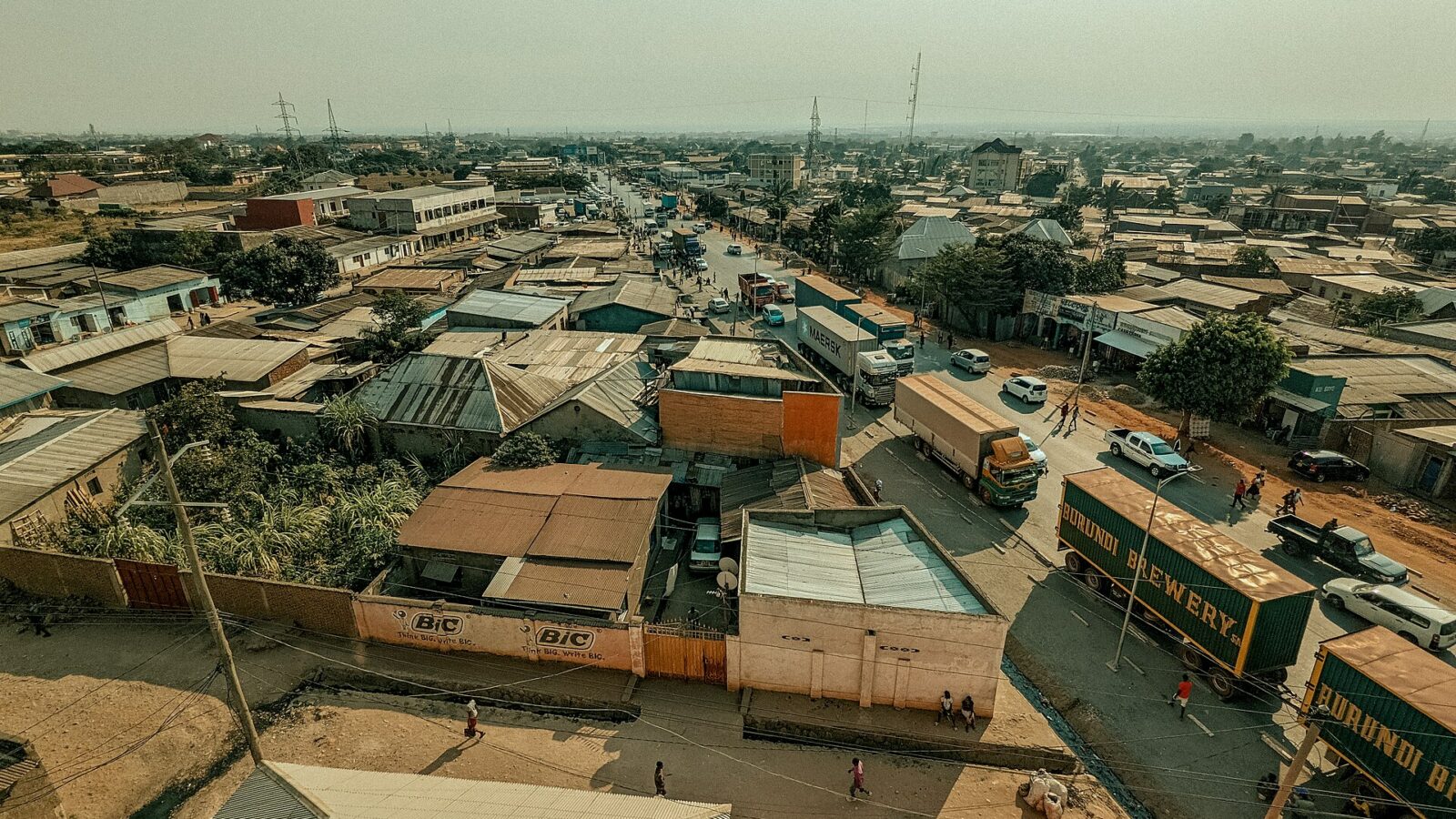
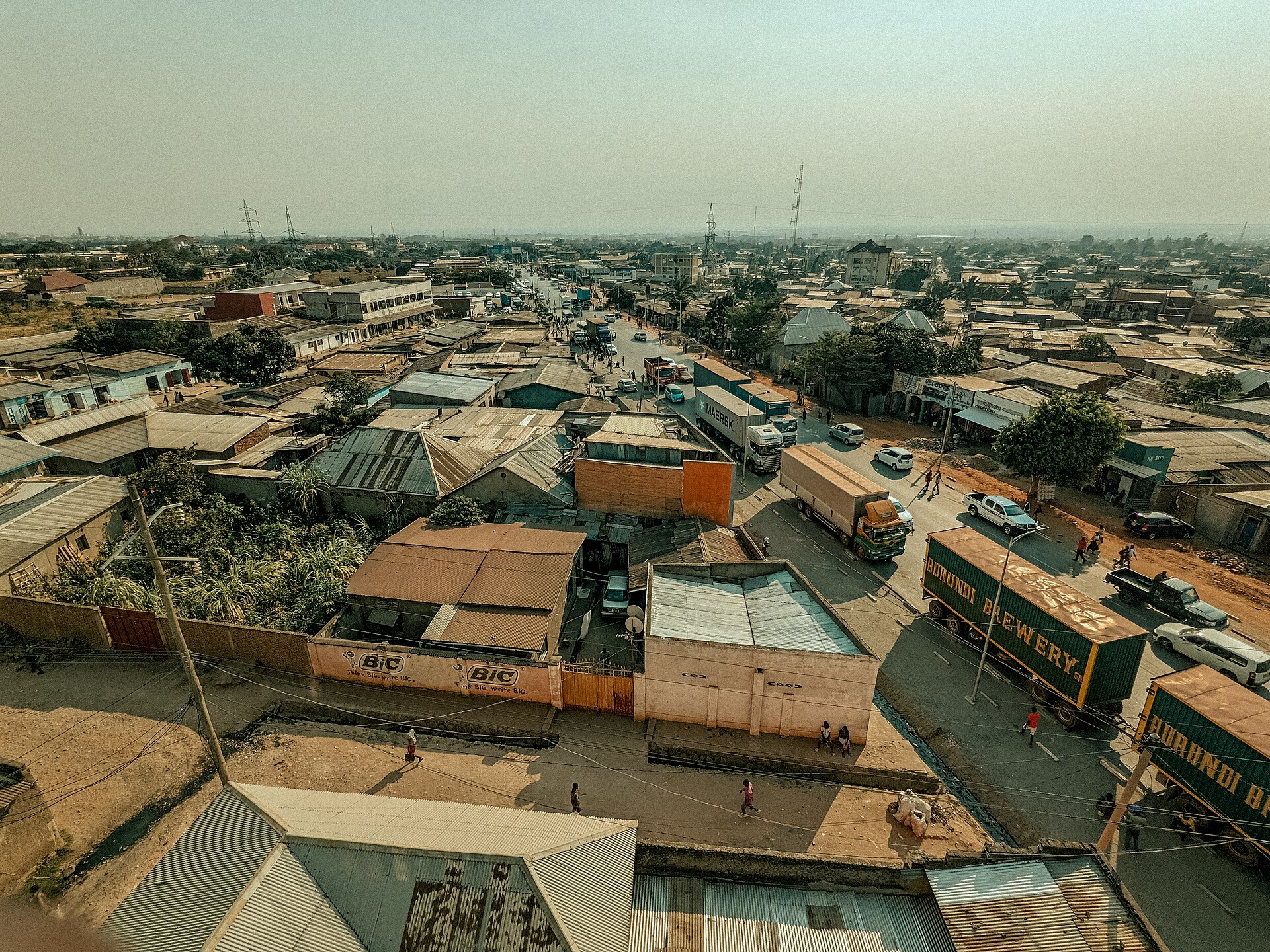
Because fuel is scarce and dollars are short. Burundi imports all its fuel, and importers need foreign currency to pay for it. The dollar shortage has made that hard for years. Queues at fuel stations are common, and power cuts hit homes and shops.
A mobile site without fuel goes quiet. When that happens, calls drop, data slows and mobile money stops. For traders who take payments by phone, a dead site means lost sales.
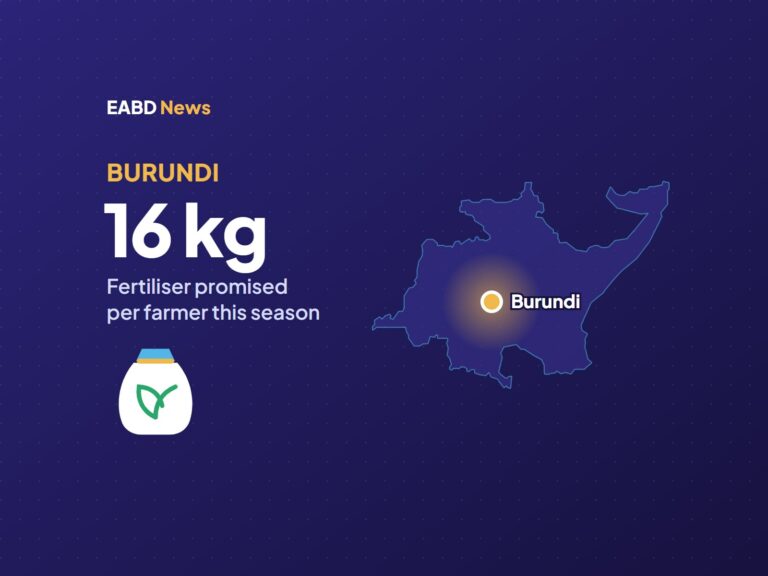
Fuel and forex are also behind other shortages. Farmers have protested over a lack of fertiliser this season. Cutting 300,000 litres of diesel a year will not fix that. But it takes some pressure off the country’s fuel bill.
What does it mean for businesses?
- Expect steadier networks. Fewer outages should help shops, banks and agents who rely on mobile money.
- Copy the model. Hotels, schools, clinics and factories that run generators face the same diesel problem. A solar system paid from fuel savings may work for you too.
- Ask your bank about guarantees. CRDB’s role shows that local banks can help bring in outside finance. Ask what they offer for energy projects.
- Find installers. Demand for solar, batteries and maintenance will grow. Look for energy companies with references, and check them before you sign.
You can find Econet Burundi and CRDB Bank Burundi on EABD.
What happens next?
The first sites are due to switch over in February. Watch whether the project keeps to that date, and whether a second phase follows to cover the rest of the network. Other mobile operators may follow if the savings are real.
You can browse more businesses in Burundi on EABD.
Businesses in this story