The financial capital of East Africa? 8 cities compared
Nairobi still leads, but Kigali, Kampala and Dar es Salaam are growing, and Bujumbura, Mogadishu and Kinshasa are building markets from scratch. Here is how the region's money centres compare.
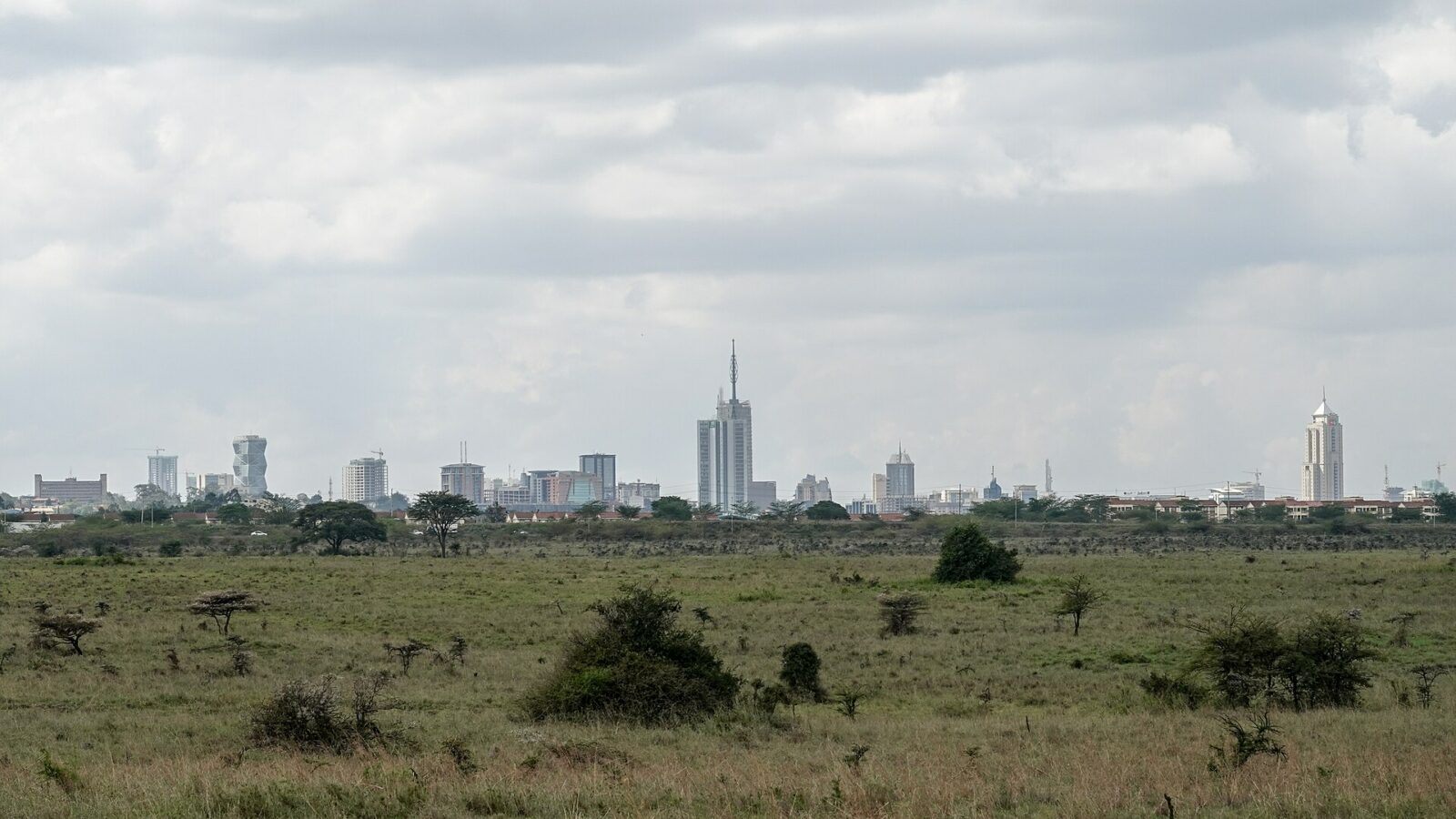
Ask a banker to name the financial capital of East Africa and most will say Nairobi. They are right, for now. But the map is changing. Kigali is building an international financial centre, Kampala is getting ready for oil money, and three more capitals are building stock markets from scratch.
This guide compares the money centres of the eight countries on EABD. It looks at stock exchanges, banks and the rules that matter to investors.
A quick note on capitals. Dodoma is Tanzania’s official capital, but Dar es Salaam is its commercial centre. The stock exchange and the head office of the Bank of Tanzania are there. In Burundi, Gitega is the political capital and Bujumbura is the economic one.
Is Nairobi the financial capital of East Africa?
Yes, by most measures. The Nairobi Securities Exchange is the largest market in the region, with more than 60 listed companies. Supermarket chain Quickmart joins it on 12 November after an oversubscribed share sale.
Kenya has 38 licensed commercial banks, according to Central Bank of Kenya data. Kenyan groups such as KCB and Equity run banks across the region. Mobile money is everywhere, and many regional headquarters sit in Nairobi.
The Nairobi International Financial Centre is trying to pull in global firms with tax incentives. It was slow at first. But it admitted 25 firms between July 2025 and March 2026, Business Daily reported, and has certified more since.
How do the eight cities compare?
| City | Stock exchange | What stands out |
|---|---|---|
| Nairobi, Kenya | Nairobi Securities Exchange | Largest market, regional head offices, a financial centre with tax incentives |
| Dar es Salaam, Tanzania | Dar es Salaam Stock Exchange | Central bank head office and the country’s main port |
| Kampala, Uganda | Uganda Securities Exchange | Oil money on the way, strong mobile money |
| Kigali, Rwanda | Rwanda Stock Exchange | Kigali International Financial Centre, fast company set up |
| Bujumbura, Burundi | Bourse du Burundi, opened December 2025 | Young market, short of dollars |
| Kinshasa, DR Congo | Planned, first listings expected in 2027 | Mining money, wide use of dollars |
| Mogadishu, Somalia | National Securities Exchange of Somalia, launched 2025 | Remittances, mobile money, mostly dollars |
| Juba, South Sudan | None yet | Oil revenue, short of dollars |
What makes each city different?
Dar es Salaam
Tanzania moved its government to Dodoma, but the money stayed in Dar es Salaam. Banks, insurers and the stock exchange are there, next to the port that serves Zambia, Malawi, Rwanda, Burundi and eastern DR Congo. The Bank of Tanzania sets policy from here.
Kampala
Kampala has a smaller exchange but a busy banking and mobile money market. Oil should change the city’s finances once first oil flows in 2027. Borrowing costs are high for now, after the Bank of Uganda raised its rate to 12%.
Kigali
Rwanda is small, so it sells speed and order. The Kigali International Financial Centre targets fund managers, holding companies and other financial firms. In the Global Financial Centres Index published in September 2025, Kigali ranked third in Africa, after Mauritius and Casablanca.
Kinshasa
DR Congo has the region’s biggest mining wealth but no stock exchange yet. The government expects the Kinshasa Stock Exchange to see its first listings between June and December 2027, Ecofin reported. The IFC signed a deal to support it in June 2026. The country also left the FATF grey list in October, which should make payments easier.
Mogadishu
Somalia’s economy runs mostly on US dollars and mobile money. Remittances bring in about US$2 billion a year, roughly a quarter of GDP, according to the US State Department. The Central Bank of Somalia now licenses and supervises 15 commercial banks. A National Securities Exchange of Somalia launched in June 2025, with trading planned for 2026.
Juba
Juba has a central bank and several foreign banks, but no stock exchange. Oil pays for most of the state. Dollars are scarce, and the market exchange rate is often far from the official one. South Sudan is also still on the FATF grey list, so foreign banks check payments closely.
Bujumbura
Burundi opened its first stock exchange, the Bourse du Burundi, on 12 December 2025. Its regulator had licensed eight market intermediaries by March 2026. The bigger problem for businesses is the shortage of dollars.
Which city should your business choose?
- For a regional head office or to raise money: Nairobi still offers the most banks, advisers and investors.
- For a holding company or fund: compare the Kigali and Nairobi financial centres. Look at tax, set up time and treaties.
- For trade and shipping finance: Dar es Salaam and Mombasa sit on the main sea routes.
- For mining finance: watch Kinshasa, Lubumbashi and Dar es Salaam.
- For frontier markets: Mogadishu, Juba and Bujumbura reward patience, but you need strong local partners.
You can find banks, insurers and advisers in each country on EABD, starting with finance businesses across the region, or the lists for Uganda, Tanzania, Rwanda and DR Congo.
Frequently asked questions
Which city is the financial capital of East Africa?
Nairobi. It has the largest stock exchange, the most banks and the most regional head offices. Kigali is its main challenger for international financial firms.
Is Dodoma or Dar es Salaam Tanzania’s financial centre?
Dar es Salaam. Dodoma is the official capital and the seat of government. But the stock exchange, the central bank’s head office and most banks are in Dar es Salaam.
Which East African countries have a stock exchange?
Kenya, Uganda, Tanzania and Rwanda have long-running exchanges. Burundi opened one in December 2025, and Somalia launched one in 2025. DR Congo plans its first listings in 2027, and South Sudan has none yet.
What is the Kigali International Financial Centre?
It is Rwanda’s programme to attract fund managers, holding companies and other financial firms. It offers incentives and a quick set up process. Nairobi runs a similar centre.