Analysis Banking and Finance
DR Congo leaves FATF grey list: what changes for business
DR Congo is off the FATF grey list after four years. That should ease bank checks and cross-border payments over time. The government says reforms must continue. Here is what it means for firms.
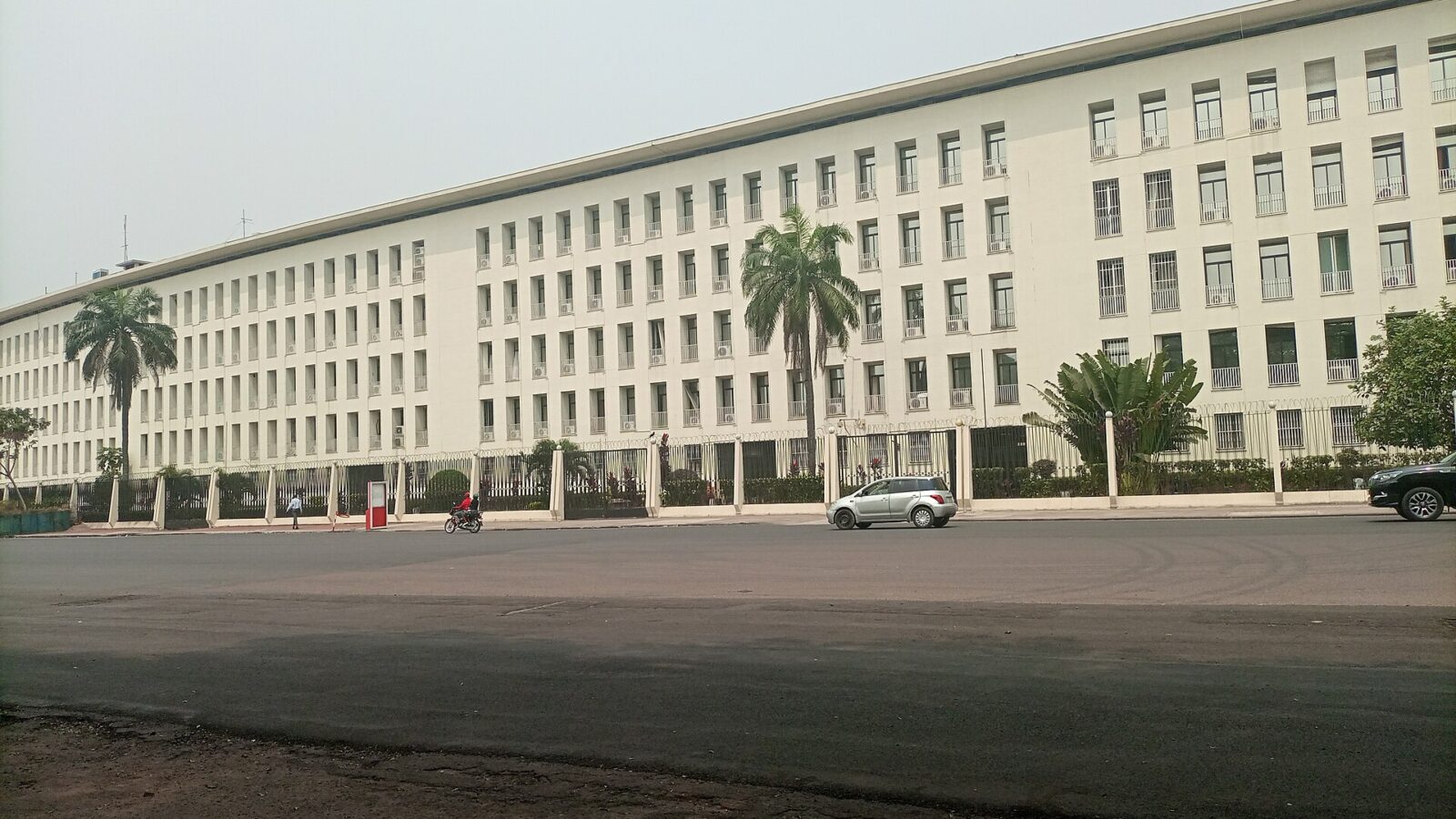
DR Congo is off the FATF grey list. The Financial Action Task Force, the global watchdog on money laundering, agreed at its Paris meeting on 30 October to remove the country from its list of places under increased monitoring. Bulgaria, Côte d’Ivoire and Monaco left the list at the same time.
The decision came after successful on-site visits by FATF inspectors. DR Congo had been on the list since October 2022. This week, the government said the work must not stop.
What is the FATF grey list?
It is a list of countries with weak spots in their fight against money laundering and terrorist financing. Countries on it agree an action plan and report on it regularly. Banks around the world treat them as higher risk.
Being on the list is not a ban. But it makes everything slower. Foreign banks ask more questions, hold payments for checks and sometimes refuse business altogether. That adds cost for every importer, exporter and family sending money.
What did DR Congo change?
The FATF says the country completed its action plan. At the 102nd Council of Ministers, Prime Minister Judith Suminwa Tuluka thanked the teams behind it. She named the financial intelligence unit, CENAREF, and the ministries of Justice and Finance.
She also set out what comes next:
- each minister must make sure the measures in their sector are applied,
- checks must continue, and services must keep working together, and
- the country needs a permanent policy to prevent financial crime.
The government sees the exit as a chance to strengthen the national system for good, she said.
What changes for business?
Over time, the cost of moving money should fall. Correspondent banks abroad should be more willing to deal with Congolese banks. Payments for imports and exports should face fewer delays. Investors who avoided grey-listed countries may take another look.
But this will not happen overnight. Banks review risk on their own timetable. Some will keep extra checks for months.
Some things do not change:
- The EU list. DR Congo remains on the European Union’s own list of high-risk countries, compliance firms note. EU banks and firms must still apply extra checks until Brussels updates it.
- Your own paperwork. Banks will still ask where money comes from. Clear records will still speed things up.
- Regional work. DR Congo keeps working with regional anti-money laundering bodies on its commitments.
The region is mixed. Kenya and South Sudan are still on the FATF list, so payments between them and DR Congo can still meet checks on the other side.
What should businesses do?
- Talk to your bank. Ask whether its correspondent banks have changed their rules for DR Congo, and when.
- Keep records ready. Contracts, invoices and proof of the source of funds make every transfer faster.
- Review your costs. If you paid extra for transfers or used costly routes, compare again in a few months.
- Use the moment. If you seek foreign partners or finance, the exit is a good point to raise. Many finance firms in DR Congo are listed on EABD.
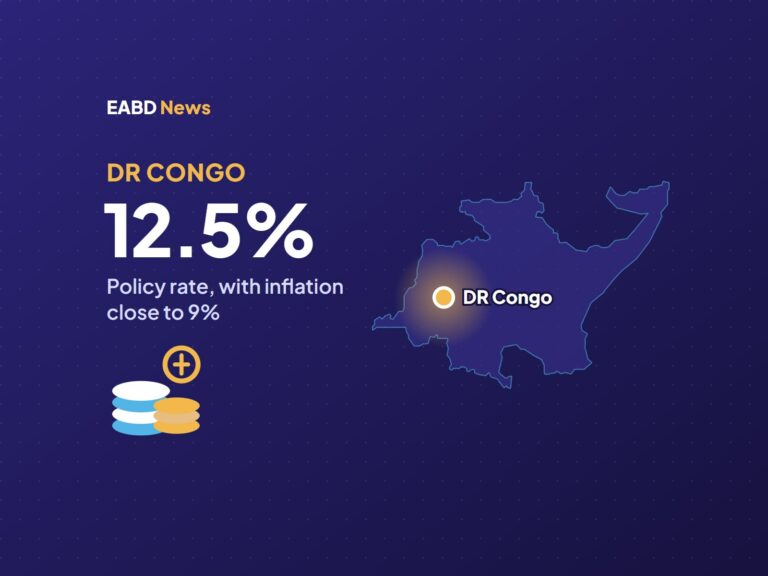
Other pressures remain. The central bank held its rate as inflation nears 9%. At the same cabinet meeting, ministers also noted that Tanzania has given DR Congo 45 hectares at the Kwala dry port to receive, store and clear goods, including minerals.
What happens next?
Watch for the EU’s next update of its high-risk list, and for any change in bank fees on Congolese transfers. The government is also expected to set out its long-term policy against financial crime.
You can find the Banque Centrale du Congo and 3,992 businesses in DR Congo on EABD.
Businesses in this story