Analysis Policy and Tax
Somalia budget 2027: cabinet approves US$1.26 billion plan
Somalia's cabinet has approved a US$1.26 billion federal budget for 2027, about 9% less than this year. Donor money is shrinking and tax collection is low. Here is what the plan means for business.
The Somalia budget 2027 is smaller than this year’s. The Council of Ministers approved a federal budget of US$1,259,238,253, or about US$1.26 billion, at a special meeting in Mogadishu on 27 October. Deputy Prime Minister Salah Ahmed Jama chaired it, according to a government statement.
The plan now goes to the federal parliament. It is under discussion as donors cut back and the government tries to raise more of its own money. That makes it one of the most important economic decisions of the year for Somali firms.
How does the Somalia budget 2027 compare?
It is about 9% smaller. Parliament passed a 2026 budget of US$1,386,807,242 in December 2025, by 174 votes to 4. The 2027 plan is about US$127.6 million lower.
The government has not said how the money will be split. We do not yet know what goes to security, salaries, services or building projects. It also has not said when parliament will vote.
Last year gives a clue. The cabinet approved the 2026 budget on 30 October 2025, and parliament voted 54 days later. A similar timetable would mean a vote in late December, before the fiscal year starts on 1 January.
Where does the money come from?
Mostly from donors. The finance ministry’s mid-year report for 2026 shows how this year’s plan was built:
- Grants: US$878.8 million, nearly all from multilateral donors such as the World Bank.
- Somalia’s own revenue: US$479.0 million, from taxes, customs and fees.
- Security: US$275.6 million, or about 20% of spending.
- Development projects: about US$215.5 million. Salaries and running costs take most of the rest.
Revenue is growing, but slowly. Somalia raised US$404.3 million of its own revenue in 2025, up from US$369.3 million a year earlier. In 2025, grants for projects arrived at less than half of what was promised.
Why is the budget smaller?
Because aid is falling, and tax collection has not caught up. The World Bank’s new Public Finance Review, released on 26 October, puts Somalia’s domestic revenue at about 6.3% of GDP in 2025. Peer countries collect 15% to 17%.
The Bank expects grants to fall from around 5% of GDP to below 1% by 2030. That is a big hole to fill. It says full reforms could add six percentage points of GDP to revenue over time.
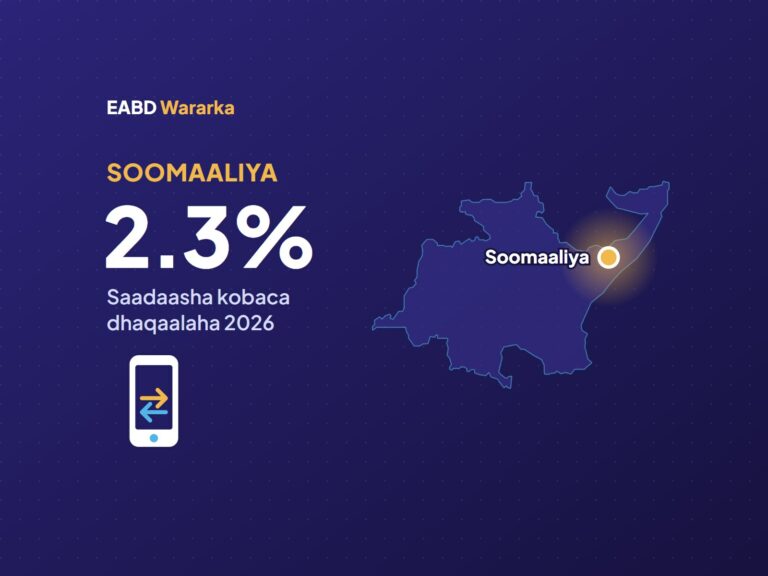
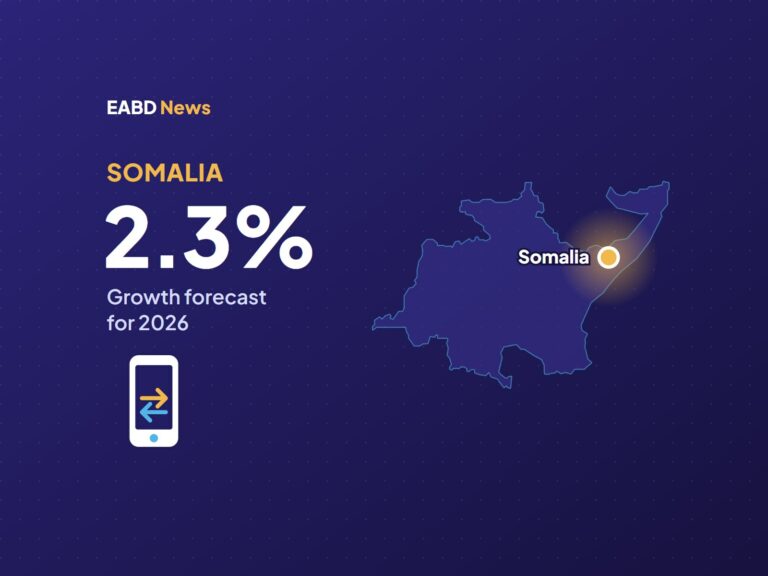
Growth is modest too. The IMF expects growth of 2.3% in 2026. Oil could change the picture one day, but the Curad-1 offshore well has not yet reported results.
What does it mean for businesses?
A government that needs more of its own money will look harder at business. At the same time, a smaller budget means fewer state contracts.
- Expect more tax checks. The government wants more revenue from customs, sales and income taxes. Keep clean books and register properly.
- Price in slow payments. If you sell to government, plan for delays. Do not over-rely on one public client.
- Follow donor projects. Fewer grants mean fewer projects, but those left still need builders, transporters and suppliers. Watch the tenders.
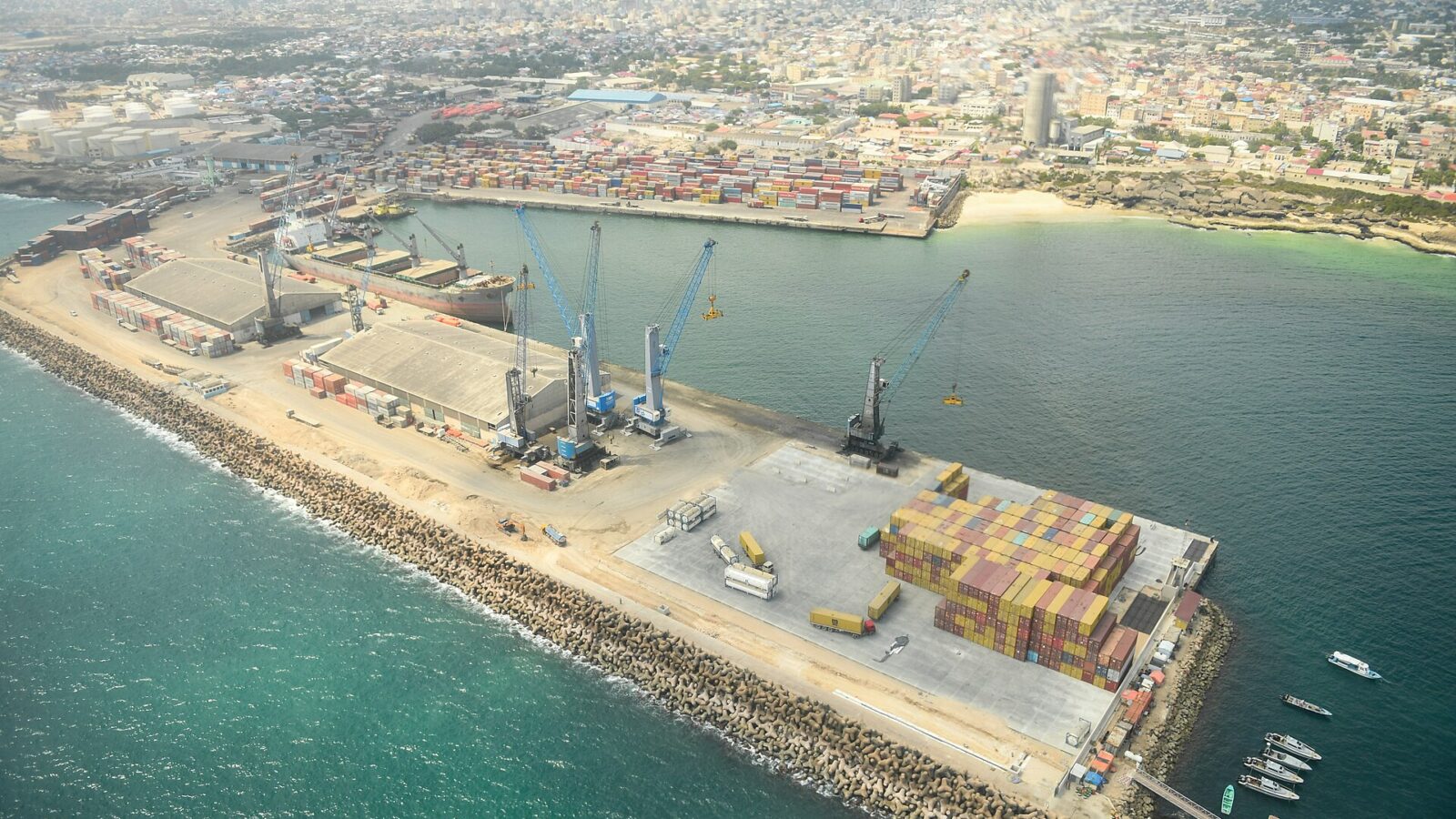
- Watch the ports. Customs at ports and borders are a main source of revenue. Changes to duties will hit importers first.
- Build local demand. Remittances, not budgets, drive much of Somali spending. Retail is the largest sector on EABD in Somalia, with 2,974 retail businesses listed.
What happens next?
Parliament has to debate and pass the budget. Watch for the published breakdown, any new tax measures, and the vote date. Watch also for donor pledges for 2027, which decide how much of the plan is real.
You can browse the 10,974 businesses in Somalia on EABD.
Main picture: Mogadishu sea port from the air. Atmis Somalia, CC0, via Wikimedia Commons, resized and cropped.