Analysis Companies
Safaricom profit jumps 36% as M-PESA passes KSh 100 billion
Safaricom's group net income rose 35.9% to KSh 58.2 billion in the six months to September. M-PESA crossed KSh 100 billion for the first time, and Ethiopia moved close to break-even.
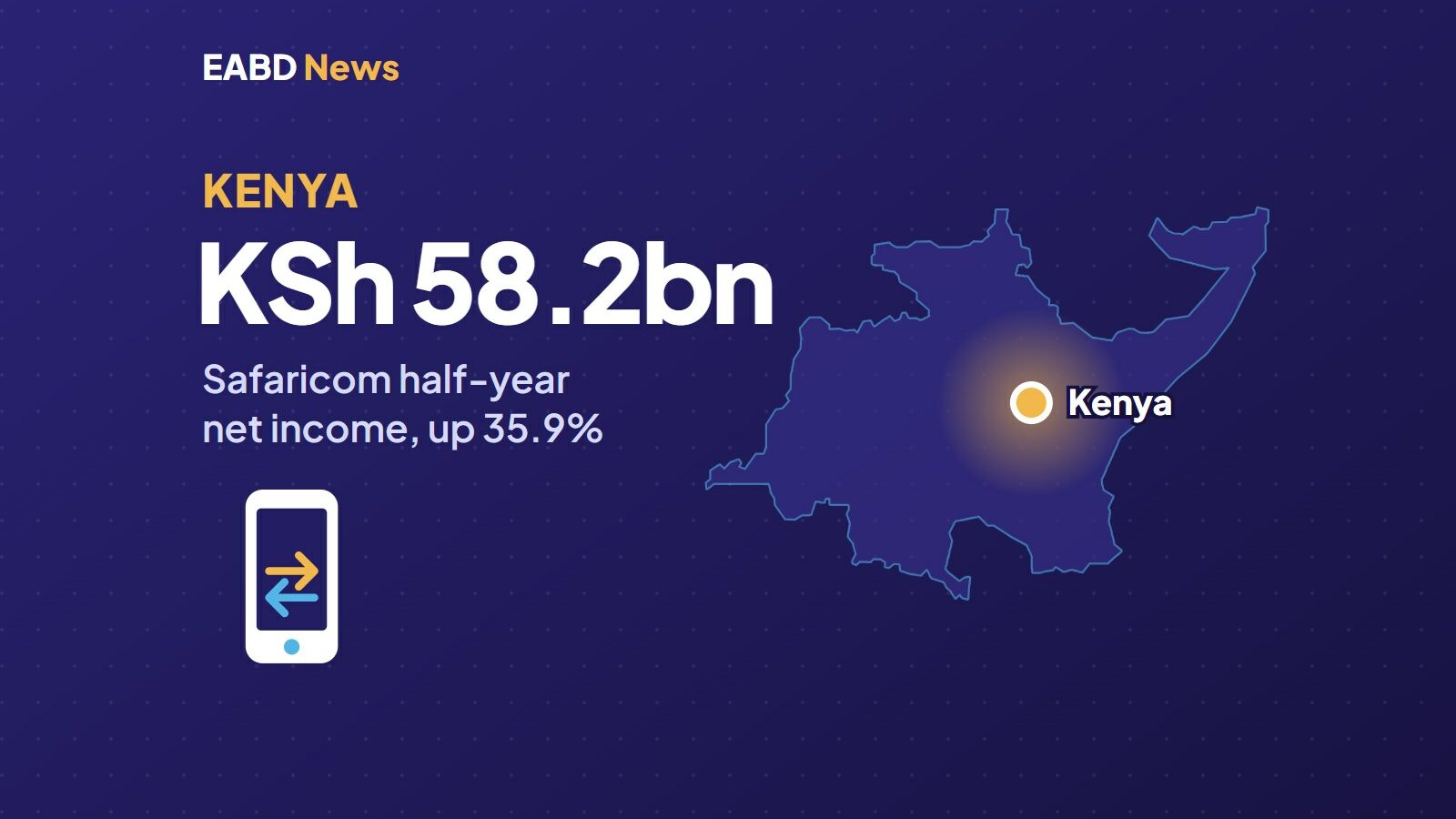
Safaricom profit rose 36% in the six months to 30 September 2026. Group net income reached KSh 58.2 billion, the company said in its half-year results on 5 November. Group service revenue grew 13.1% to KSh 226.1 billion.
Two milestones stand out. M-PESA revenue passed KSh 100 billion in a half year for the first time. The Kenya business also passed KSh 100 billion in earnings before interest and tax. Together, they show how much of Kenya’s daily trade now runs through one company.
What drove Safaricom profit this half?
Here are the main numbers from the company’s release.
- Group service revenue: KSh 226.1 billion, up 13.1%.
- Group EBITDA: KSh 129.2 billion, up 27.5%.
- Group net income: KSh 58.2 billion, up 35.9%.
- Kenya service revenue: KSh 216 billion, up 11.3%.
- Kenya EBIT: KSh 101.8 billion, up 13.7%.
Notice the gap. Revenue grew 13.1%, but net income grew 35.9%. Kenya alone did not do that. Kenya’s net income rose 13.8% to KSh 66.3 billion. The big swing came from Ethiopia, where losses fell sharply.
How big is M-PESA now?
M-PESA revenue grew 13.6% to KSh 100.1 billion. Usage grew much faster. Reporting 27.4 billion transactions, up 25.2%, and 42.3 million monthly customers, up 11.6%.
The merchant number is the one small businesses should notice. Merchants rose 90.3% to about 4.5 million. That means many more shops and traders now take M-PESA as a normal way to get paid.
Safaricom says 53% of all M-PESA transactions stayed free. That includes about 81% of Lipa na M-PESA and Pochi la Biashara merchant transactions, and 63% of consumer transactions. The free share was 60.3% a year early, while chargeable transactions rose 48.2% to 12.9 billion. So more people are using M-PESA, and more of that use now earns the company a fee.
What is happening in Ethiopia?
Ethiopia is the reason investors are paying attention. Service revenue there rose 71.6% to KSh 10.6 billion. Three-month active customers reached 15.4 million, up 38.4%. Ethiopia also added 17% of the group’s service revenue growth.
The EBITDA loss narrowed 96.5% to KSh 434.4 million. A year earlier it was KSh 12.6 billion. Group CEO Peter Ndegwa says the target is EBITDA break-even by the end of this financial year, which closes in March 2027.
The business is not yet profitable, though. It still posted an EBIT loss of KSh 11.4 billion and a net loss of KSh 8.8 billion. EBITDA leaves out depreciation and financing costs, and those remain heavy in a new network.
What does this mean for Kenyan businesses?
A company this large shapes the cost of doing business for everyone else. Here are five practical points.
- Check your payment costs. Most merchant transactions stay free, but not all. Review what you actually paid last month.
- Have a backup. When so much trade runs on one platform, a second way to take payment protects your sales. Compare options among finance businesses on EABD.
- Meet customers on their phones. Kenya’s mobile data revenue rose 12.2% to KSh 45.2 billion. Your customers are searching online, so a clear business profile matters. Listing on EABD is free.
- Look at Ethiopia. A market with 15.4 million active customers on one network is growing quickly. Kenyan firms in ICT and logistics may find openings there.
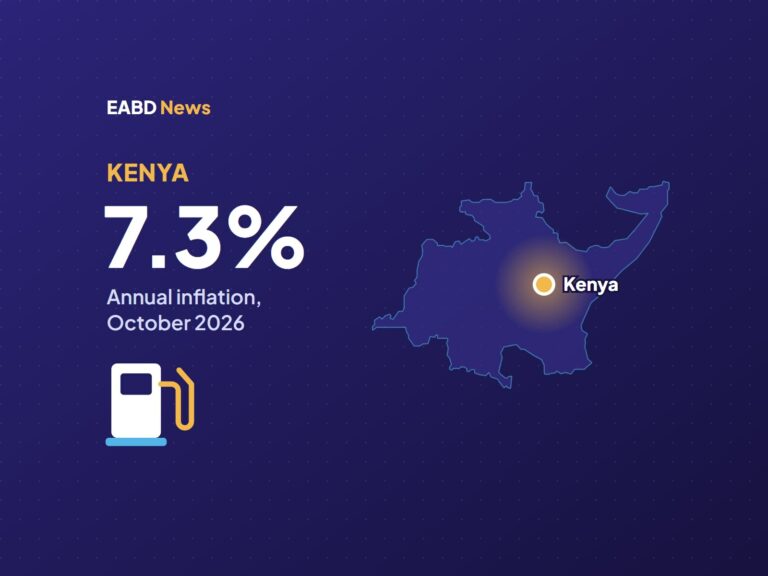
- Keep costs under review. Strong profits at Safaricom do not mean easy conditions for smaller firms. Kenya inflation reached 7.3% in October. EABD Sourcing lets you compare supplier quotes.
Retail remains the largest sector among the 78,826 businesses in Kenya on EABD, with 14,369 firms. Those are exactly the businesses that M-PESA’s merchant growth touches.
What about guidance and dividends?
Safaricom kept its full-year guidance. It expects group EBIT of KSh 180 billion to KSh 187 billion. Kenya EBIT is guided at KSh 195 billion to KSh 199 billion, and Ethiopia’s EBIT loss at KSh 12 billion to KSh 15 billion. Group capital spending is guided at KSh 64 billion to KSh 70 billion.
The half-year press release does not announce an interim dividend. For the last full year, the company paid KSh 2.00 a share.
What should you watch next?
Three dates matter. An investor forum is planned for February 2027. The Ethiopia break-even target falls at the end of March. Full-year results are due in May 2027. Until then, Safaricom profit will depend on two things: how far M-PESA keeps growing, and how fast Ethiopia’s losses close.
Businesses in this story