Analysis Trade and Logistics
Kenya SGR cost: why the World Bank sees a KSh 117 billion gap
The World Bank says Kenya could have saved up to KSh 117 billion building the Mombasa to Nairobi railway. It ties at least 30% of that gap to governance problems. Here is what the report says, and what it means for business.
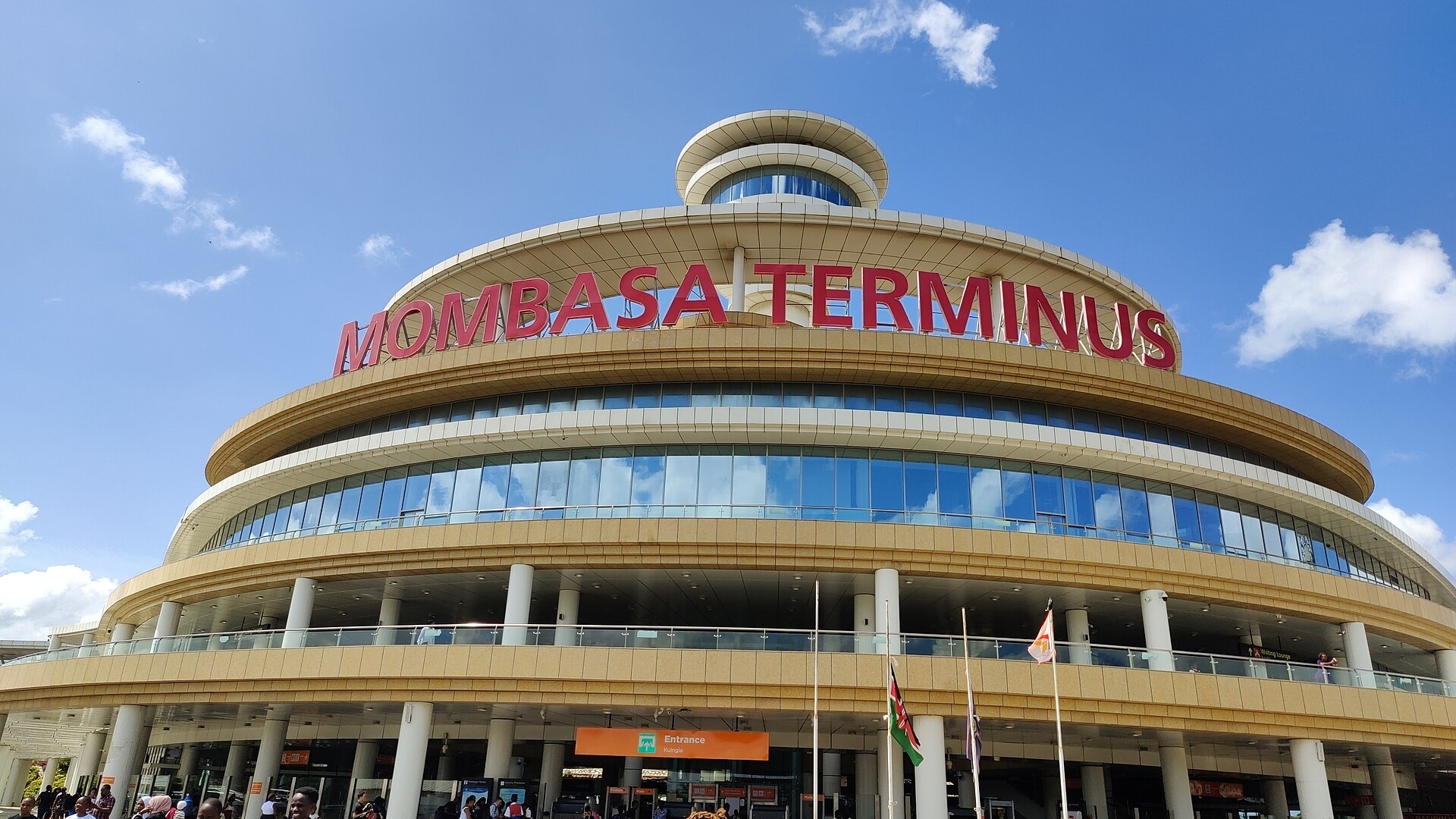
The Kenya SGR cost far more per kilometre than similar railways in the region. That is the finding in the World Bank’s latest Kenya Economic Update, launched in Nairobi on 4 November. The Bank says Kenya could have saved up to US$900 million on building the Mombasa to Nairobi line. That is about KSh 117 billion.
The number has spread fast online, so it helps to read it carefully. It is a comparison with other railways. It is not a court finding of fraud. The Bank ties at least 30% of the gap to governance problems, or at least US$270 million. The rest could come from other factors, including land and design.
How does the Kenya SGR cost compare?
The report compares three single-track lines in the region.
- Mombasa to Nairobi, Kenya: US$7.6 million per km. Diesel powered, built from 2014 to 2017.
- Dar es Salaam to Dodoma, Tanzania: US$5.7 million per km. Electrified, built from 2017 to 2024.
- Djibouti to Addis Ababa: US$5.3 million per km. Electrified, built from 2011 to 2016.
Two details make Kenya’s figure stand out. It is the only one of the three lines that is not electrified. The Ethiopian line also climbs higher, at about 2,300 metres against about 1,600 metres in Kenya, and over more mountainous ground.
The report also notes that Tanzania’s line came a few years later and was built to a higher specification. The US$900 million figure uses Tanzania’s cost per kilometre as the yardstick.
What does the World Bank blame?
The Bank names three governance problems behind at least 30% of the gap.
- A preference for direct contracting over competitive tendering.
- Land speculation.
- Fraud around land titling, valuation and compensation payments.
It separates these from topography and technical differences. It also accepts that land costs more in Kenya, but says this does “not fully explain the higher cost”. The report adds that a 2026 Transparency International Kenya report flagged the project as particularly vulnerable to corruption.
The SGR is only one example. The report’s main theme is governance, and it estimates that corruption and collusion add up to two percentage points of GDP to the annual deficit. It says moderate reforms could lift GDP by 8.7% by 2035, and stronger ones by 22.3%.
What has the government said?
We found no direct government reply on the railway figure. At the launch, National Treasury Principal Secretary Chris Kiptoo defended the state’s wider efforts, The Star reported. He pointed to digital tax systems, e-Citizen, electronic procurement and the Conflict of Interest Act.
The money is still being repaid. Kenya borrowed about US$5 billion from China’s Export-Import Bank for the railway, and repayment now runs to 2040, the Rio Times reported. China Road and Bridge Corporation built the line, and Kenya Railways runs it.
Why does this matter now?
Because Kenya is building again. Work on the extension from Naivasha towards Kisumu and Malaba began this year. Its budget was revised to KSh 651 billion in October, Construction Review reported. The government is considering bonds backed by the Railway Development Levy on imports, which could raise up to KSh 390 billion. China Communications Construction Company and China Road and Bridge Corporation are the contractors.
The state’s finances are also tighter than they were. Public debt stood at 69.9% of GDP at the end of June, the report says. If the same mistakes repeat, the cost lands on taxpayers and importers.
What does it mean for businesses?
Transport is a real cost for Kenyan firms. The report says shipping a 20-foot container from China to Mombasa costs about US$2,000. Moving it the 480 km on to Nairobi adds US$850 to US$1,250. That leg is around a third of the total. A similar trip by truck in Europe costs about US$720.
Corruption is a cost too. In 2025, 39% of firms called it a major or severe constraint, up from 25% in 2013. Some 36% faced a bribe request in the past year. Among medium-sized firms, 48% said they are expected to give gifts to get things done.
- Compare road and rail. Ask for both prices on your main routes. Logistics firms are a good place to start, and EABD lists 823 in Mombasa County.
- Track your landed cost. Add up freight, levies and clearing on every order, so you can see what really moved.
- Watch the checkpoints. The government’s 2026 Roadblock Reduction Initiative aims to cut police stops between Mombasa and Malaba from up to 27 to five. Truck delays are already a live issue, as the KRA e-seals dispute shows.
- Prepare for the extension. Firms in western Kenya should get their papers ready for subcontract work. EABD Sourcing connects buyers and suppliers.
- Keep clean records. Good paperwork protects you when you are asked for favours.
You can also browse more of the 78,826 businesses in Kenya on EABD.
What happens next?
Watch for any official response on the Kenya SGR cost, the final financing of the extension, and how openly its costs are reported. Growth is holding up for now. The Bank raised its 2026 forecast to 4.6%, but it warns that the August 2027 election could slow investment.
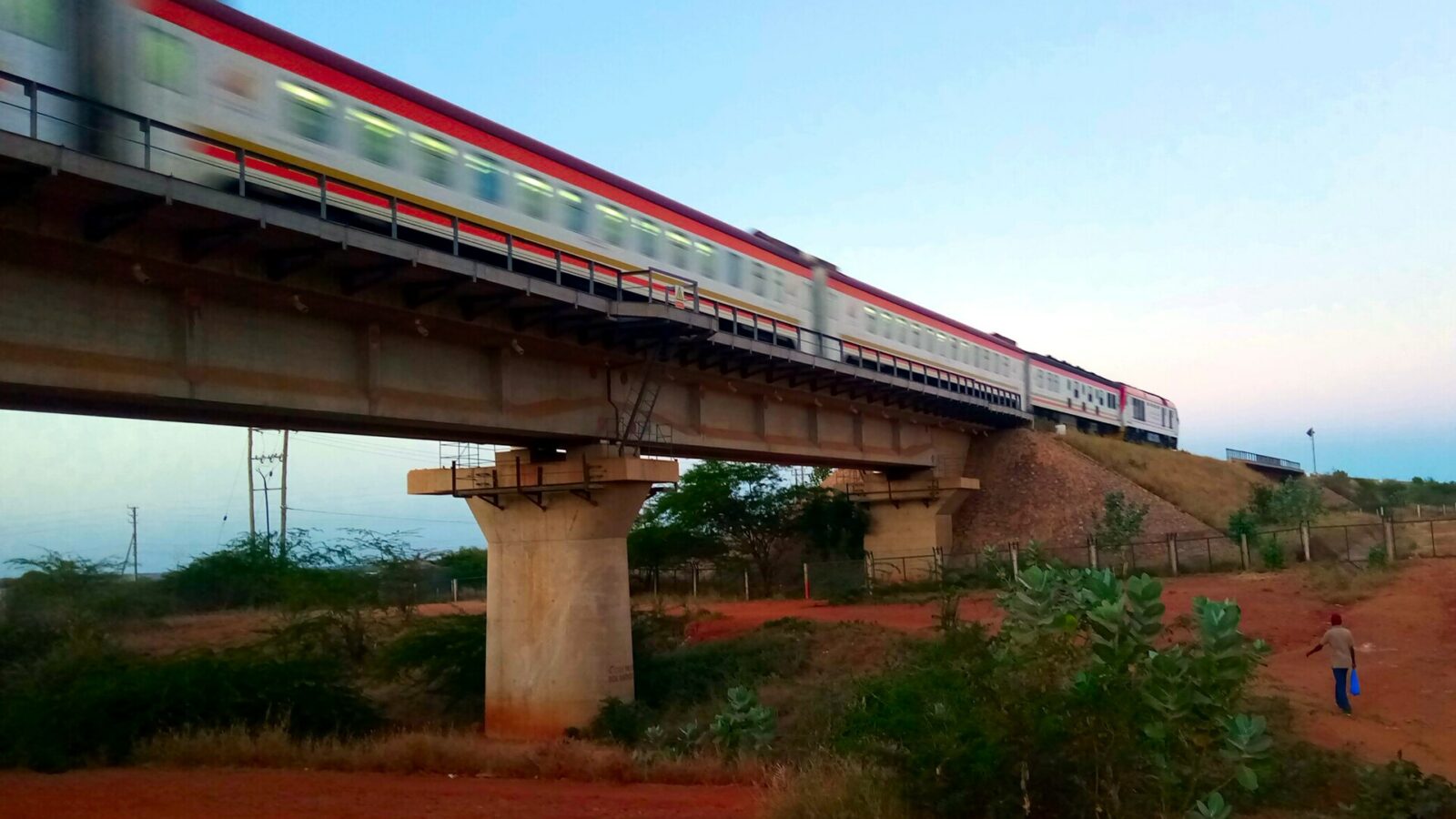
Main picture: A train on the Mombasa to Nairobi line. TTC dude, CC BY-SA 4.0, via Wikimedia Commons, resized and cropped.
Businesses in this story