Analysis Agriculture
Burundi fertiliser shortage sparks road protests by farmers
Farmers in Matongo blocked a national road after being offered less fertiliser than promised. The ministry now lets some growers import, but critics say the rules favour a few.
The Burundi fertiliser shortage has reached the roads. Residents of Nyamirambo in Matongo barricaded the RN1 with tree trunks and branches. Local sources told the paper that police fired into the air to clear them.
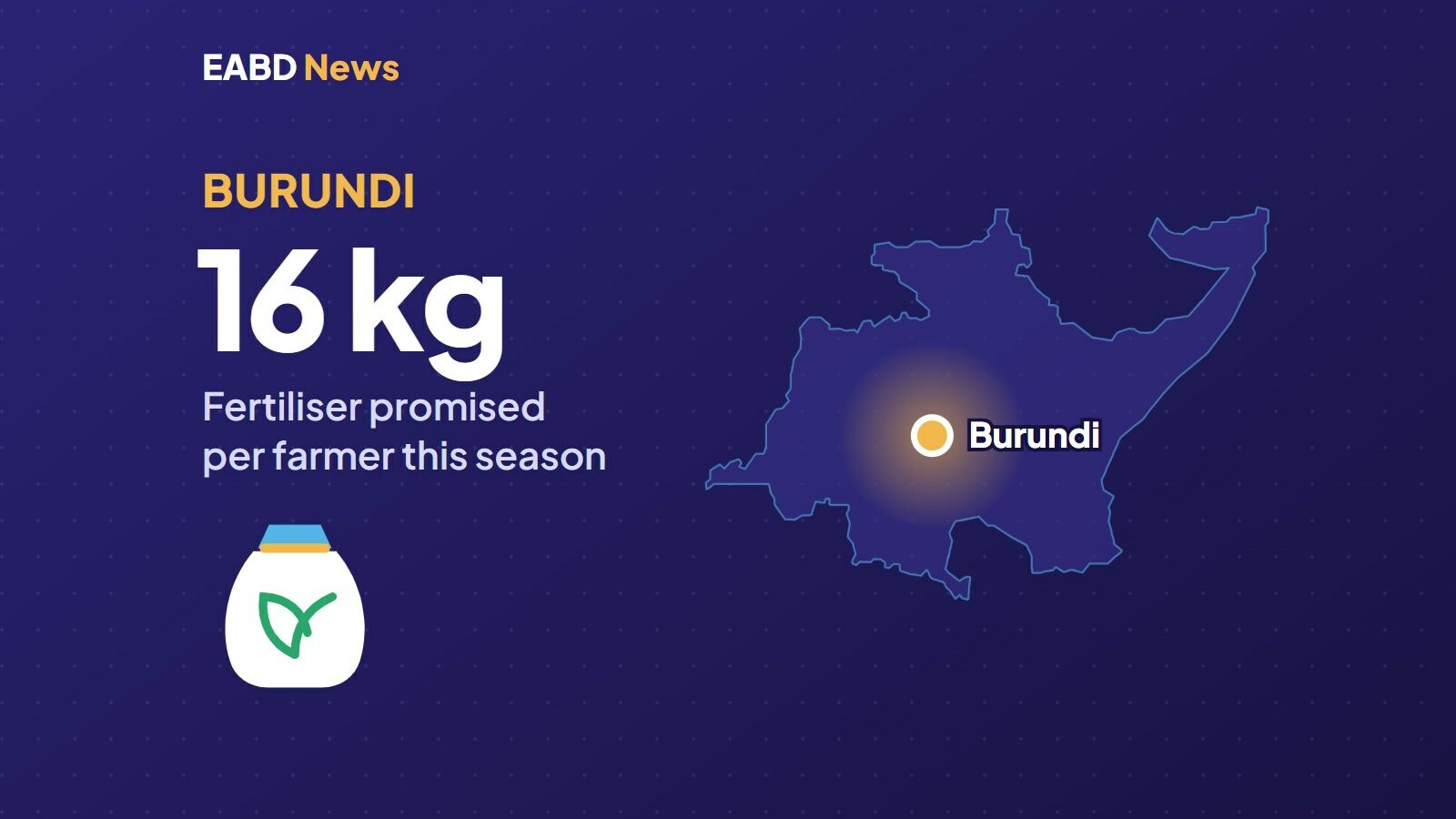
The anger is simple to explain. Farmers were promised 16 kg each. In Matongo, local officials offered one 25 kg sack to share between two people, or 12.5 kg each. Many had paid in advance, and the planting season will not wait.
What is behind the Burundi fertiliser shortage?
Burundi relies on one main supplier, FOMI, which makes organic and mineral fertilisers. Iwacu describes the firm as having a monopoly. Local officials say FOMI’s agents did not deliver the amounts requested.
FOMI points to dollars. “The main problem is therefore the shortage of foreign currency,” Deputy Managing Director Herménégilde Manyange said, That links this crisis to the wider dollar shortage facing Burundi’s importers. A factory that needs imported inputs cannot pay for them without foreign currency.
Money is part of it too. Former MP Thomas Bukuru told Iwacu that the subsidy on fertiliser reaches 60%, and that the country cannot keep it up forever. The farmers’ forum Fopabu says warning signs have been there since 2022.
How short is the supply?
Iwacu’s reporting from several provinces shows the gap between need and supply.
- Matongo: One store serves five hills and about 6,000 households.
- Kibiri, Gitega: 944 growers were due 16 kg each. One told the paper he needs at least 60 kg for his field.
- Gabiro, Ngozi: Farmers say they used at least 25 kg before.
- Rutana: A farmer with more than two hectares says he received only 16 kg.
In Gitega, farmers joined queues before dawn on 27 October, about ten kilometres from home. A fixed 16 kg per person takes no account of how much land each farmer has, and that is one of the main complaints.
What has the government done?
The Ministry of Environment, Agriculture and Livestock has taken three steps.
- Refunds. Farmers who paid for the 2026 B season and got nothing were to be repaid from 19 to 23 October. They needed receipts, and some who lost their tickets could not collect the money.
- A new payment window. Payment for the balance of fertiliser was extended to 24 October, with distribution from 26 October.
- Import permits. Growers with large farms and members of cooperatives can now apply to import. They must write to the ministry and state the type, the quantity and the country of origin.
Permitted products include DAP, urea and fertilisers similar to FOMI’s Imbura, Bagara and Totahaza. Liquid fertilisers are not allowed. In Matongo, local administrator Janvière Kanyana told Iwacu that extra supplies arrived and that complaints have stopped.
Will the new import rules fix it?
Not everyone thinks so. Faustin Ndikumana of the watchdog PARCEM fears the monopoly will simply be replaced by a small circle of favoured operators. He argues that importers should be chosen for their experience, not for how much land they own. He wants clear and open criteria.
No size limit has been published, so nobody yet knows who counts as a large farmer. Libère Bukobero of Adisco wants several importers, with state support.
There is also a practical problem. A permit does not come with dollars. Any importer will still need foreign currency, and the IMF says reserves covered only 1.6 months of imports in 2025.
What does this mean for businesses?
This is not only a farming story. Less fertiliser can mean smaller harvests, and that feeds into food prices. The IMF expects inflation to average 14.5% in 2026. Traders, millers, schools and hotels all buy food.
- Food buyers: Agree supply early, and do not rely on one source.
- Cooperatives: The new permit route is open to you. Ask the ministry what it needs, and work out how you would pay for imports.
- Input traders: A wider import market may open. Keep records ready, and watch for published criteria.
- Lenders: Growers who paid early and got nothing may struggle with cash this season.
- Everyone: Look at regional suppliers. EABD Sourcing lets you compare quotes from across East Africa.
EABD lists 729 businesses in Burundi, and you can browse agriculture firms across the region.
What happens next?
The ministry has asked farmers to pay for inputs for the 2027 A season, and a census of farmers’ real needs has been carried out. Uprona’s Olivier Nkurunziza has called for an audit of the FOMI supply chain. Watch for the permit criteria and for any audit. The Burundi fertiliser shortage will be judged at harvest time, when the season’s real losses become clear.