Mombasa or Dar es Salaam? How to choose a port for your cargo
East Africa's two big ports both grew fast in 2025. Here is how Mombasa and Dar es Salaam compare on volume, routes and inland links, and how to pick the right one for your goods.
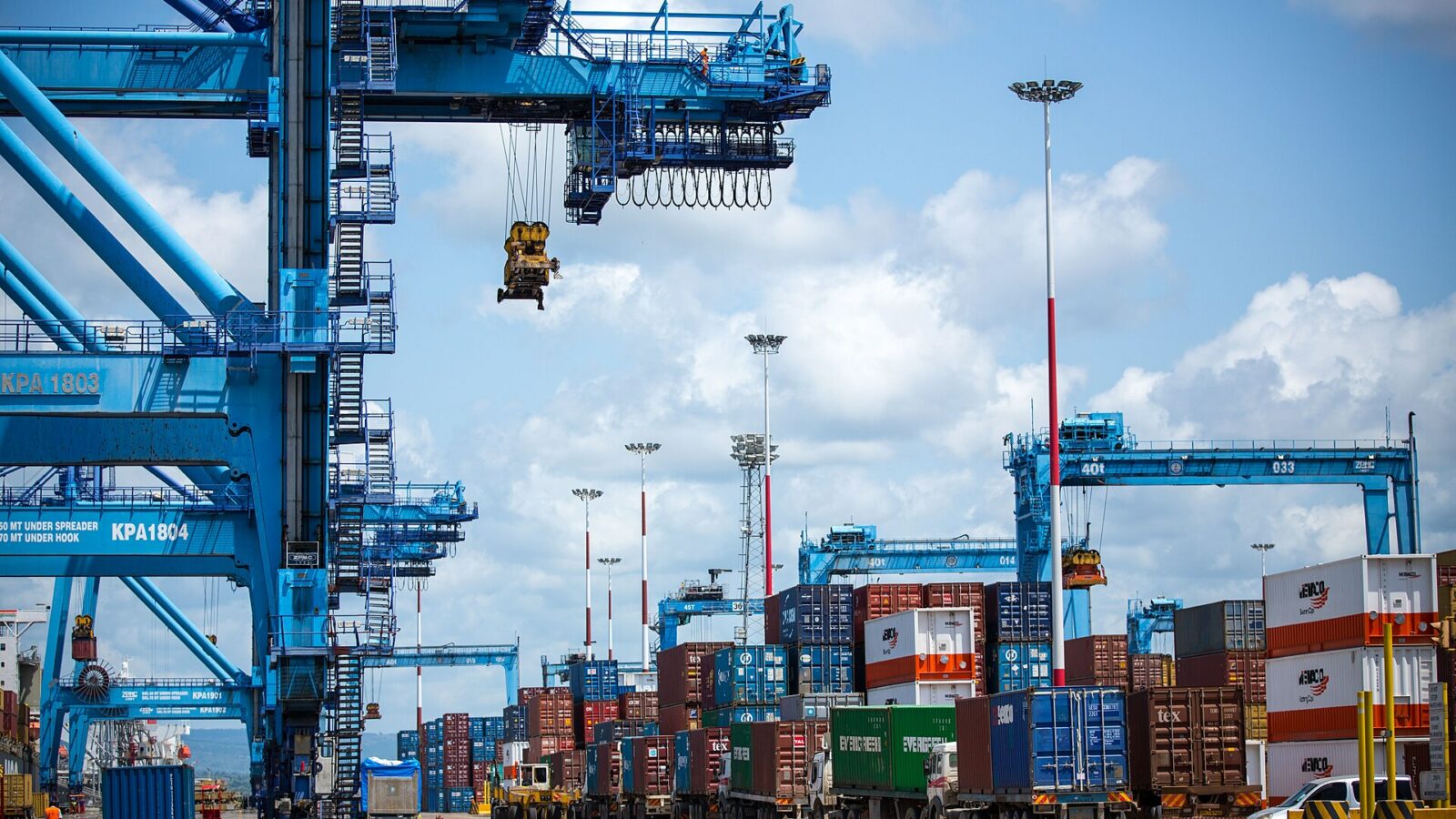
Most goods that enter East Africa by sea come through one of two ports: Mombasa in Kenya or Dar es Salaam in Tanzania. Both grew fast last year, and both are investing in rail and inland depots. So for many importers, the question is real: Mombasa or Dar es Salaam?
The short answer is that your final destination usually decides. But cost, time and reliability can change the choice. This guide compares the two ports and explains how to pick.
How do Mombasa and Dar es Salaam compare?
| Mombasa | Dar es Salaam | |
|---|---|---|
| Total cargo | 45.45 million tonnes in 2025 | 33.71 million tonnes in the year to June 2026 |
| Growth | Up 10.9% | Up 21.5% |
| Transit cargo for neighbours | 15.88 million tonnes, up 19.5% | 14.61 million tonnes, up 17% |
| Main transit markets | Uganda, South Sudan, Rwanda, eastern DR Congo | DR Congo, Zambia, Rwanda, Burundi, Malawi |
| Rail link | Standard gauge railway to Nairobi and Naivasha | Standard gauge railway inland, plus Tazara to Zambia |
Sources: Kenya Ports Authority figures for 2025, and Tanzania Ports Authority figures for 2025/26 as reported in the press.
Mombasa also handled about 2.11 million containers, measured in twenty-foot units (TEU), in 2025. That was up 5.5%. Its imports rose 20.1% to 36 million tonnes.
Which countries does each port serve best?
Mombasa sits at the start of the Northern Corridor. Goods move by road or rail through Kenya to Uganda, then on to South Sudan, Rwanda, Burundi and eastern DR Congo. Uganda drove the growth in 2025, with transit cargo to Uganda up 25.2%.
Dar es Salaam sits at the start of the Central Corridor. It is the main sea gate for DR Congo, which took 7.77 million tonnes of its transit cargo in 2025/26, up 30%. Zambia took 3.41 million tonnes and Rwanda 2.18 million tonnes.
A simple rule of thumb follows:
- Kenya, Uganda, South Sudan and north-eastern DR Congo usually point to Mombasa.
- Tanzania, Zambia, Malawi, Burundi and southern and eastern DR Congo usually point to Dar es Salaam.
- Rwanda and parts of eastern DR Congo can use either, so compare quotes each time.
What is changing at each port?
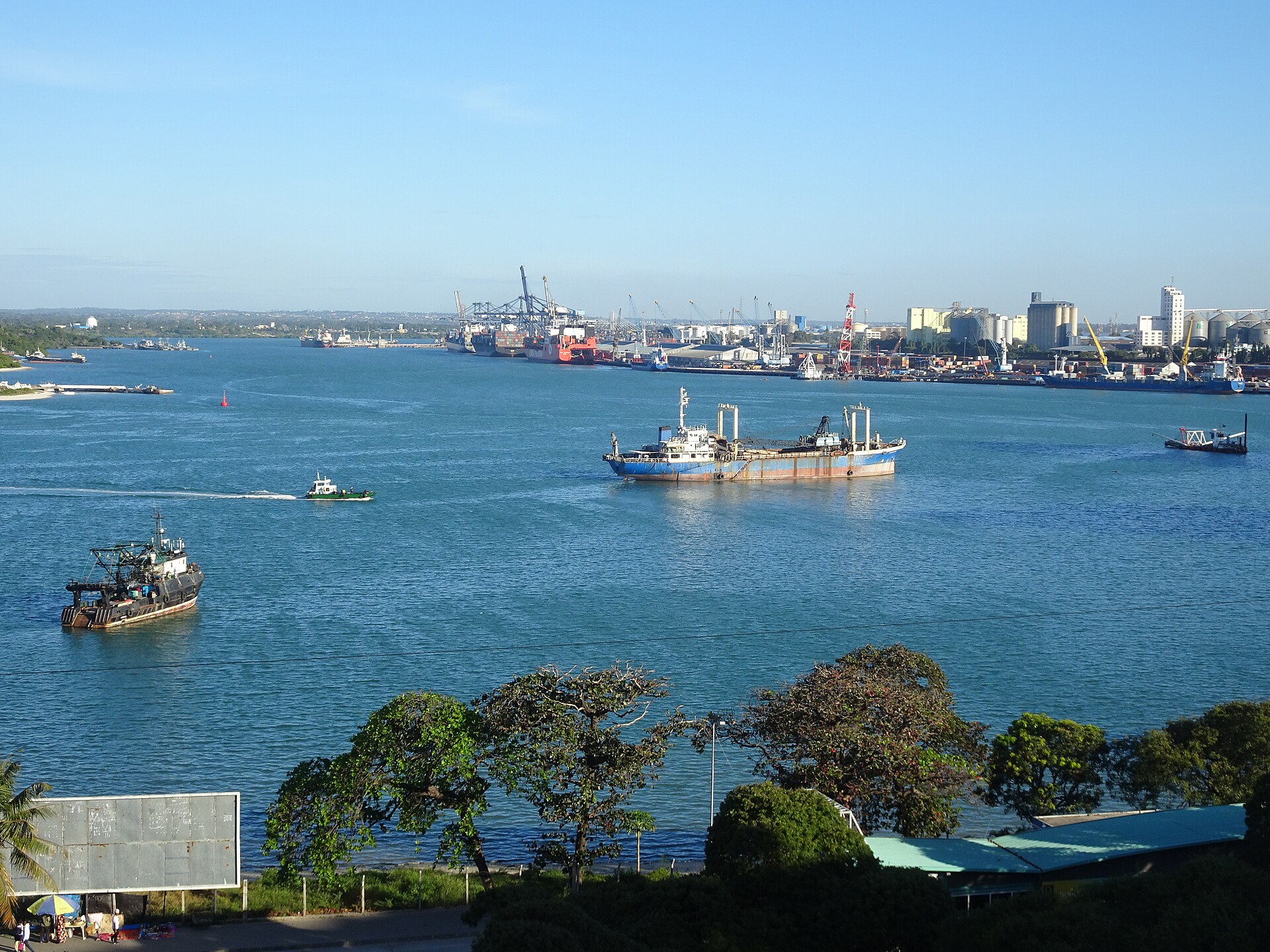
Dar es Salaam handed part of its container business to DP World under a 30-year concession that began in April 2024. Throughput at that terminal has risen sharply since, the company says. The Kwala dry port outside the city now takes trains from the port and is designed for about 300,000 containers a year. DR Congo has been given 45 hectares there. Tanzania has also signed a US$1.2 billion loan for its railway to Kigoma, on Lake Tanganyika.
Mombasa is busier than ever, and congestion has been a problem at peak times. Its railway links the port to inland depots in Nairobi and Naivasha. A World Bank report found that moving a container from Mombasa to Nairobi can cost US$850 to US$1,250, about a third of the cost from China, as we covered in our story on the cost of Kenya’s SGR.
Road rules matter too. Truckers and the tax authority have clashed over electronic cargo seals, as the KRA e-seals dispute showed.
How do you choose: Mombasa or Dar es Salaam?
- Start from the destination. Work out the full route, from ship to your warehouse, not just the sea leg.
- Get door to door quotes for both. Include port charges, inland transport, clearing, storage and any border fees.
- Compare total time. Ask agents for real transit times on recent shipments, not brochure times.
- Check rail options. Rail can be cheaper and safer for heavy cargo, but the last leg is often by road.
- Use a licensed clearing agent. A good agent knows the customs rules for both transit and local imports, and can handle a delay before it grows.
- Plan for the rainy season and peak periods. Build extra days into your stock plans.
You can find clearing and forwarding agents, transporters and warehouses on EABD, among the logistics and transport businesses in the region, including Tanzania, Uganda and Rwanda.
Frequently asked questions
Which is bigger, Mombasa or Dar es Salaam port?
Mombasa handles more cargo. It moved 45.45 million tonnes in 2025, against 33.71 million tonnes at Dar es Salaam in the year to June 2026. Dar es Salaam is growing faster.
Which port is best for Uganda?
Most Ugandan cargo comes through Mombasa on the Northern Corridor. Some importers use Dar es Salaam and Lake Victoria, so it is worth comparing quotes.
Which port serves DR Congo?
Both do, but Dar es Salaam is the main sea gate for DR Congo. It handled 7.77 million tonnes of Congolese transit cargo in 2025/26.
Is rail cheaper than road from the port?
Often, for heavy and bulky cargo. But rail usually needs a road leg at the end, so compare the full door to door cost.