Analysis Trade and Logistics
Rwanda AGOA benefits end in 2027: what it means for exporters
The US says Rwanda will lose its AGOA trade benefits on 1 January 2027. The direct hit looks small, but coffee, tea and mineral exporters to the US will pay normal import duties. Here is what changes.
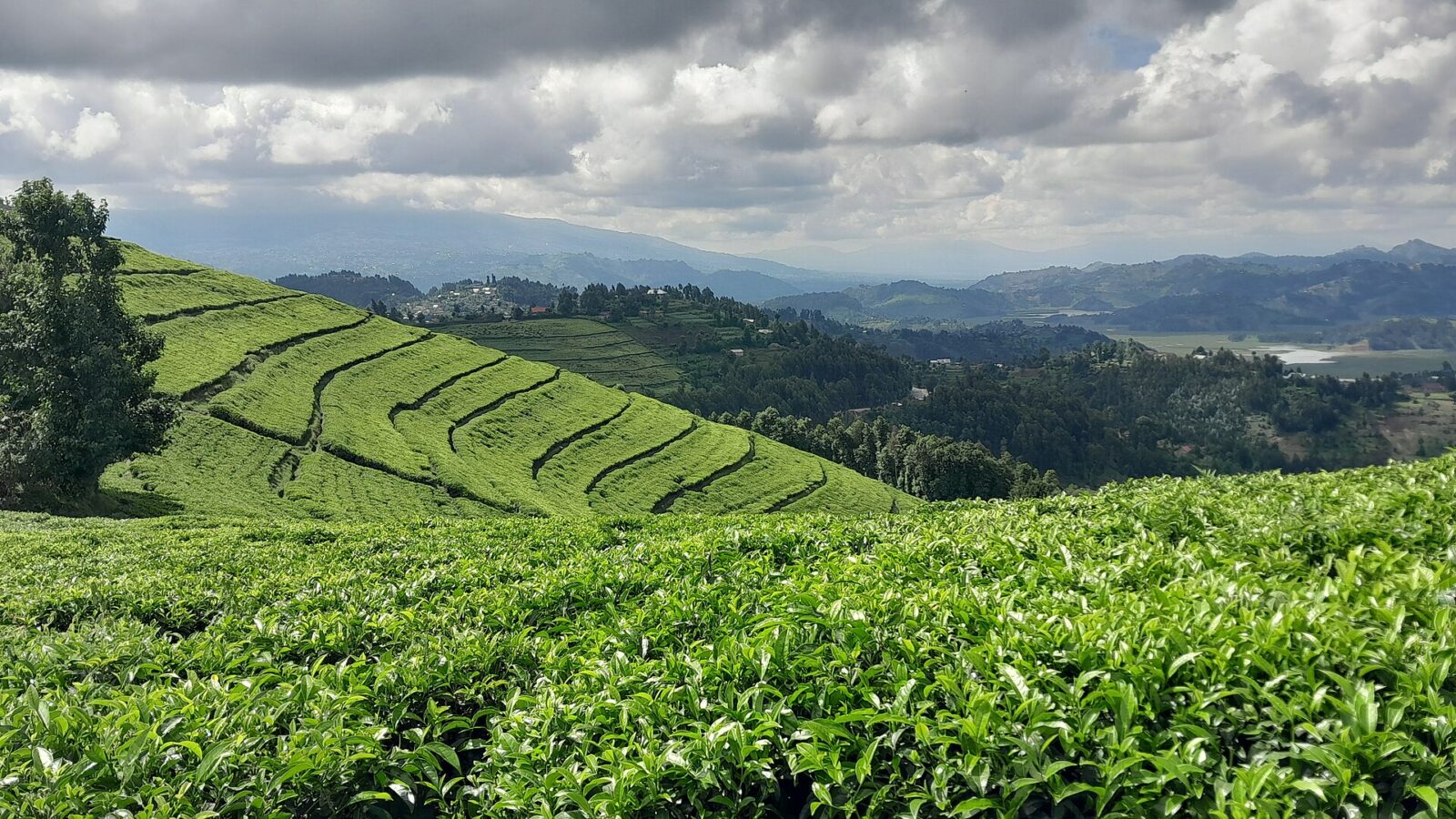
Rwanda AGOA benefits are coming to an end. AGOA is the US trade programme that lets African goods enter America without duty. The change takes effect on 1 January 2027. US Trade Representative Jamieson Greer announced it on 2 November, alongside the same step for South Africa.
The decision has been widely discussed in Kigali this week. The direct cost looks modest. But for the firms that sell to the US, the rules change in seven weeks.
Why is Rwanda losing AGOA?
AGOA is reviewed every year. After this year’s review, President Trump told Congress and both governments that he plans to end their eligibility.
For Rwanda, the US statement lists concerns about:
- barriers to US trade and investment,
- the rule of law and political pluralism,
- worker rights and human rights, and
- threats to US national security and foreign policy interests.
Greer called the practices “concerning and pervasive”. The statement says the US is working with African partners to help them meet the rules, but it does not set out a path back for Rwanda. We found no official response from Kigali by 10 November.
How much trade is at stake?
Not a lot, on paper. The law firm Brownstein says US imports from Rwanda were worth US$43.3 million in 2025. The US takes only about 2% of Rwanda’s goods exports, and only a small share of those used AGOA.
This is also not the first cut. In 2018, the US suspended duty-free access for Rwandan clothing. That came after Kigali raised tariffs on imported second-hand clothes. Rwanda kept AGOA for its other goods. That is what ends now.
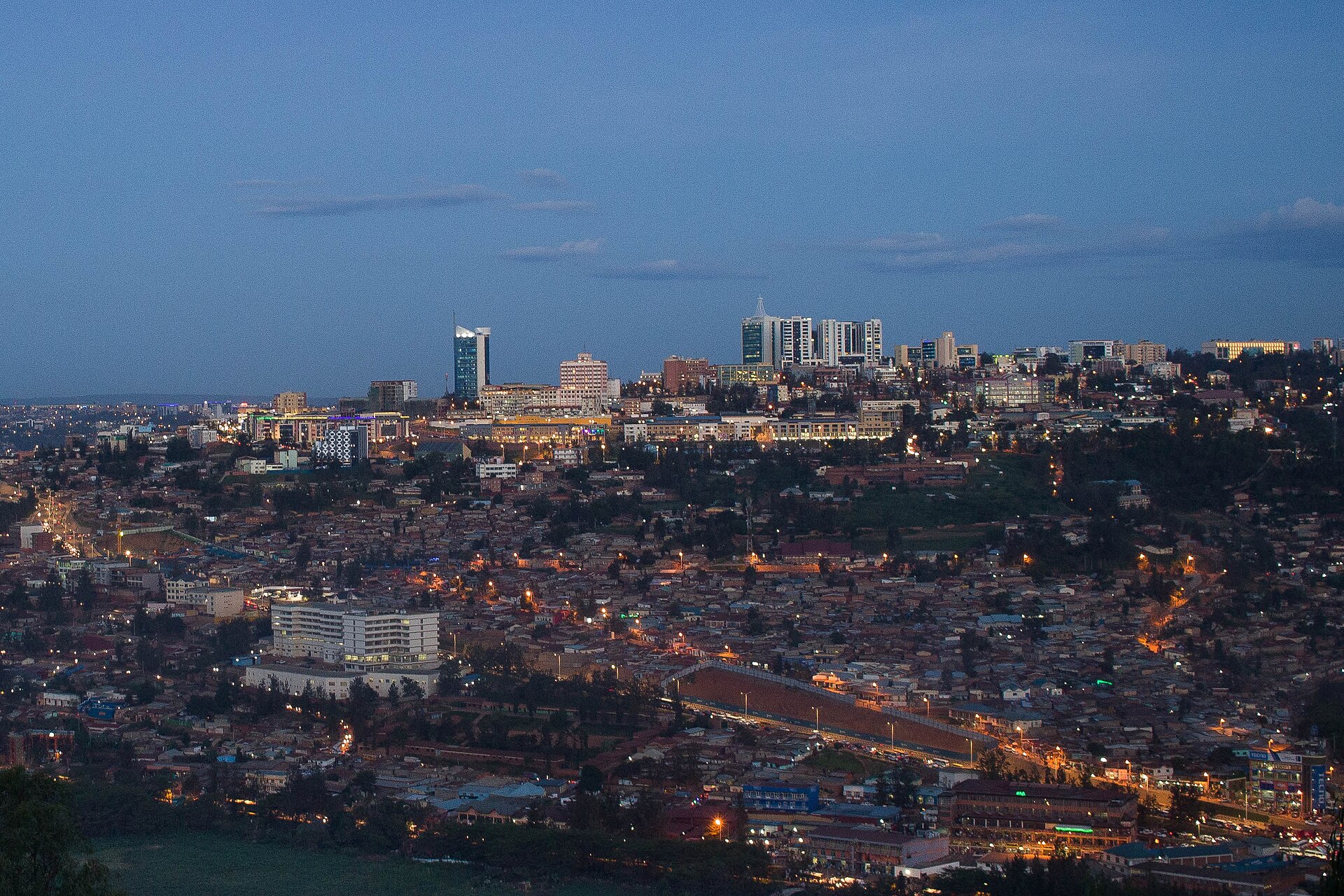
Who will feel it?
Exporters of coffee, tea and some minerals to the US. From January, their goods will pay the normal US import duties. That makes them a little dearer for American buyers.
Specialty coffee is the most visible case. Rwandan coffee sells on quality and origin, and US roasters are long-standing buyers. A small price rise may not stop them. But in a tight market, buyers may push some of the cost back onto the exporter.
There is also a reputation cost. Investors read these decisions, and the US statement is blunt. Rwanda has worked hard to attract business, from conferences to the planned Formula 1 race.
Firms at home face other pressures too. Rwanda’s inflation jumped to 17.2%, which already squeezes costs.
What should exporters do now?
- Read your contracts. Check who pays import duty in the US. If you sell “delivered, duty paid”, the new cost is yours.
- Talk to your buyers early. Agree now how the duty will be shared from January. Surprises damage long relationships.
- Ship before the deadline. Goods that enter the US before 1 January should still qualify. Plan shipping times with care.
- Widen your markets. Look at Europe, the Gulf, Asia and the African Continental Free Trade Area. The US is a small share of Rwanda’s exports, so spreading risk is possible.
- Add value at home. Roasted coffee and packed tea earn more per kilo. They can also open new buyers.
Exporters can find processors, packers and transporters among the agriculture firms in Rwanda and the logistics firms listed on EABD.
What happens next?
The US must issue the formal order before 1 January. Watch for any talks between Kigali and Washington, and for a response from Rwanda’s trade ministry. AGOA itself continues for other eligible countries in the region, including Kenya.
You can browse the 2,769 businesses in Rwanda on EABD.