How to choose a safari tour company in East Africa: 10 checks
Ten checks to make before you pay a safari tour company in Kenya, Tanzania, Uganda or Rwanda, from licences and vehicles to park fees, deposits and cancellation terms.
A safari is often a once in a lifetime trip, and it is not cheap. So the safari tour company you pick matters as much as the park you visit. A good one plans well, hires skilled guides and solves problems before you notice them. A bad one can cost you money, time and sometimes your safety.
Kenya’s tourism regulator regularly warns travellers about unlicensed operators, and it has revoked licences for breaking the rules. These ten checks work in Kenya, Tanzania, Uganda and Rwanda.
How do you check that a safari tour company is licensed?
1. Ask for the licence number. Every country licenses tour operators. In Kenya, the Tourism Regulatory Authority issues a tourism enterprise licence that is valid for one calendar year. Tanzania’s tourism ministry, the Uganda Tourism Board and the Rwanda Development Board play the same role. Ask for the number and check it with the regulator.
2. Look for association membership. Membership of a national association is a good sign, though it is voluntary. In Kenya, the Kenya Association of Tour Operators (KATO) only admits operators who have held a licence for at least a year. Tanzania has TATO, Uganda has AUTO and Rwanda has RTTA.
3. Confirm a physical office. A real company has a real address, a landline or a business number and a registered company name. Be careful with operators who only use a mobile number and a social media page.
What should the price include?
4. Get a written itinerary. It should list each night’s lodge or camp, the parks, the vehicle and the meals. Ask what is not included, such as drinks, tips, flights and visas.
5. Understand park fees. They are a big part of the cost, and they change. The Maasai Mara charges non-resident adults US$100 a day from January to June and US$200 a day from July to December, according to published county rates. In the Serengeti, the peak conservation fee is US$70 a day plus VAT, or about US$82.60. Check the latest rates with the park authority, and make sure your quote says whether fees are included.
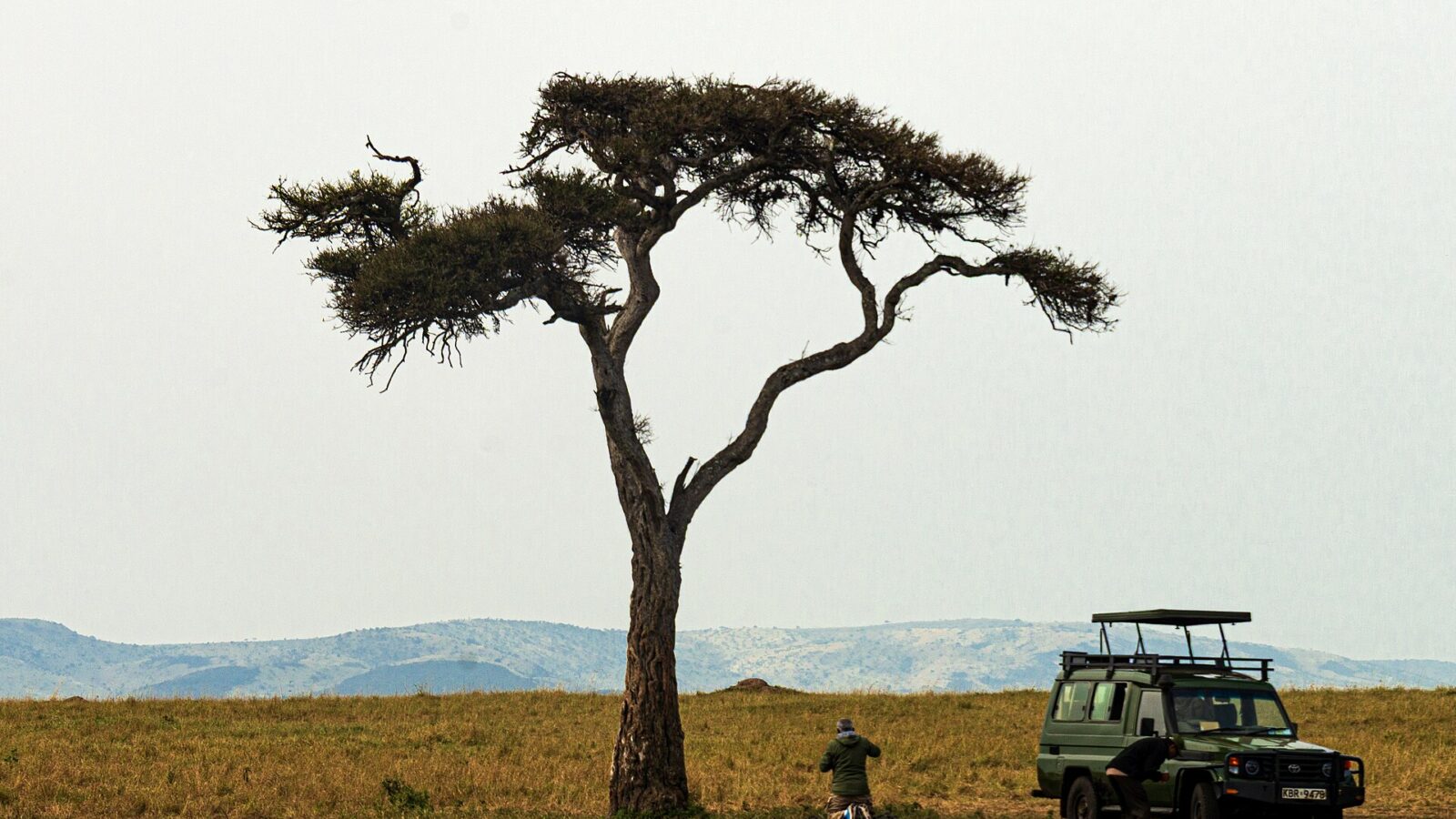
6. Ask about the vehicle. Most good safaris use a four-wheel drive vehicle with a pop-up roof. Ask how many guests share it. Six or fewer means everyone gets a window seat. Ask whether the vehicle is shared with strangers or private to your group.
How do you judge the guide?
7. Ask who your guide will be. The guide makes or breaks a safari. In Kenya, guides can be graded by the Kenya Professional Safari Guides Association. Ask about languages, years of experience and first aid training. A good operator answers these questions easily.
8. Read recent reviews, and read them closely. Look at reviews from the last year on more than one site. A few bad reviews are normal. Watch for how the company replied, and for repeated complaints about vehicles, drivers or refunds.
How should you pay?
9. Pay a deposit, not everything. Most reputable operators ask for a deposit to book lodges and permits, then the balance closer to the trip. Pay by bank transfer to a company account or by card, never cash to a personal account. Get a receipt for every payment.
10. Read the cancellation terms. Ask what happens if you cancel, if a flight is late or if a park road is closed by rain. Take out travel insurance that covers medical evacuation, and ask whether the operator includes air rescue cover.
What are the warning signs?
- A price far below every other quote for the same trip.
- Pressure to pay the full amount at once, or in cash.
- No licence number, or excuses when you ask for it.
- A vague itinerary with no named lodges.
- Photos copied from other companies’ websites.
- An operator who cannot say who your guide will be.
Should you book with a local or an international company?
Both can work. International agents often sell trips run on the ground by a local operator, and add their own margin. Booking directly with a licensed local safari tour company can cost less and puts you in touch with the people who run your trip. An international agent can help if you want one contract for flights, insurance and several countries.
Whichever you choose, the same checks apply. Ask who operates the trip on the ground, and check that company too.
You can compare tour operators, lodges and travel agents on EABD, which lists 7,684 tourism businesses and many more in hospitality. Look for verified listings and real reviews.
Frequently asked questions
How do I know if a safari company is legitimate?
Ask for its tourism licence number and check it with the national regulator. Look for association membership, a physical office and recent reviews on more than one site.
How much deposit should I pay for a safari?
Most operators ask for a deposit to secure lodges and permits, with the balance due before the trip. Avoid paying the full amount far in advance, and never pay cash into a personal account.
Are park fees included in safari prices?
Often, but not always. Park fees are high and change from time to time, so check that your quote lists them clearly.
How many people should share a safari vehicle?
Six or fewer is best, so everyone has a window seat. A private vehicle costs more but lets you set the pace.