Analysis Economy
Rwanda F1 deal: what the African Grand Prix means for business
Rwanda has a 10-year deal to host the Formula 1 African Grand Prix in the early 2030s. No race date or cost has been published, but hotels, builders and suppliers can start preparing now.
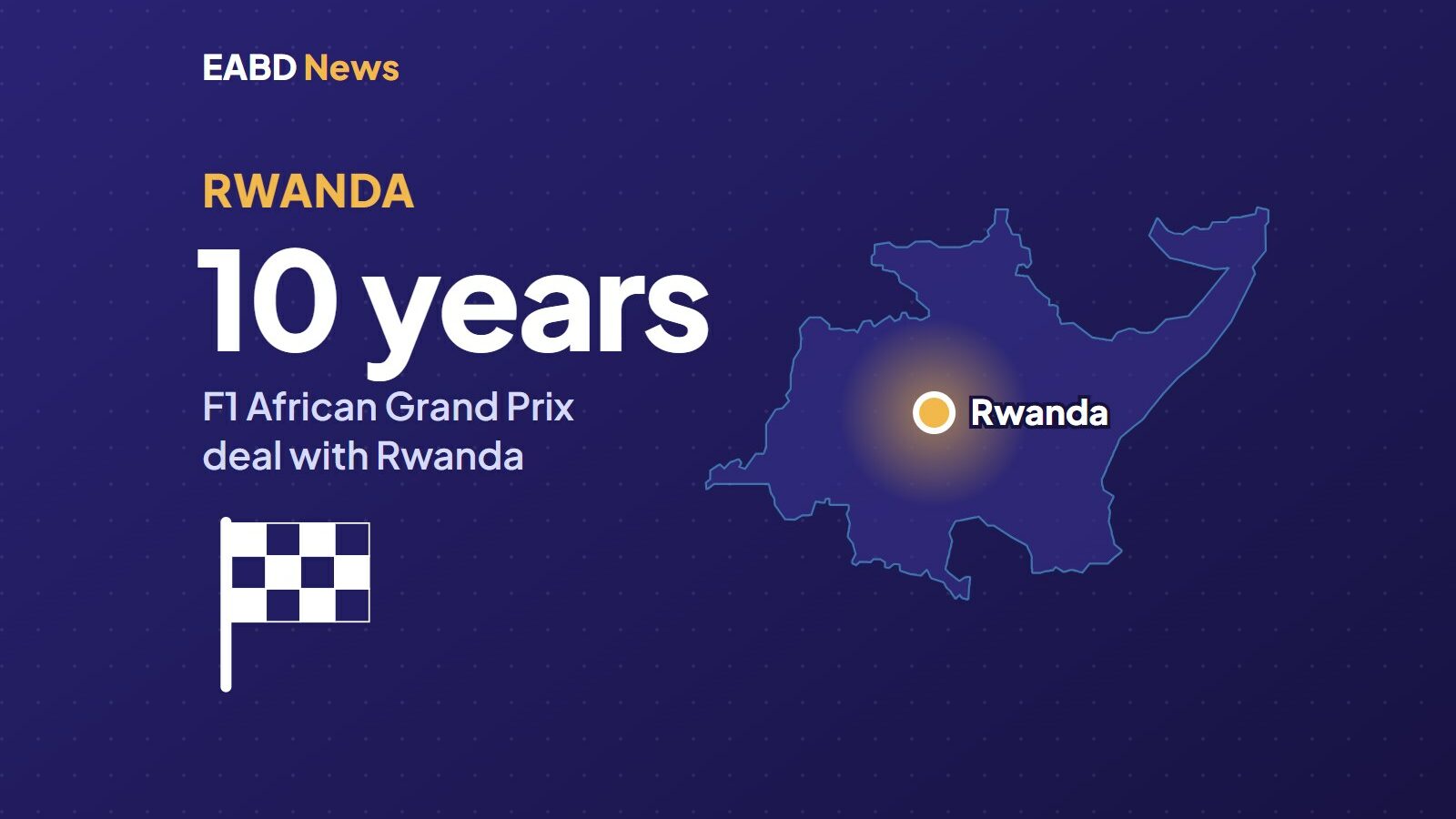
Formula 1 is coming back to Africa, and Rwanda has the contract. On 13 October 2026, F1 announced a 10-year agreement for the Formula 1 African Grand Prix, presented by Visit Rwanda. The first race is planned for the early 2030s. It would be F1’s first race in Africa since Kyalami in 1993.
Three weeks later, the talk in Kigali has moved on from the headline to a harder question. A commentary on 5 November asked whether Rwanda is preparing to benefit. For local firms, that is the question that counts.
What do we know about the African Grand Prix so far?
Here is what has been made public.
- Place: Bugesera, in the Eastern Province, about 40 km south of Kigali. The site sits next to the new Kigali International Airport.
- Timing: 2030 at the earliest, depending on construction.
- Circuit: A new track built to FIA Grade 1 standards. Early details point to about 6 km, 17 corners and 197 metres of climb per lap.
- Designers: WurzDesign, led by former F1 driver Alex Wurz, with Tilke Engineers and Architects. The final layout is still being worked on.
- Wider plan: A sports, tourism, infrastructure and commercial project led by the Rwanda Development Board (RDB).
That last point matters most for business. F1 says the venue is planned as a year-round place for motorsport, major events and conferences. One race weekend a year would not build a local industry. A busy venue might.
What is still not known?
A lot. No race date has been set. No construction timetable has been published. The cost has not been disclosed, and we found no official estimate of jobs. Anyone quoting those numbers is guessing.
There is debate as well. Critics of the government have called the deal “sportwashing”. Earlier in the process, DR Congo urged F1 to end talks with Rwanda. Supporters point to a long list of events Rwanda has already hosted, including the UCI Road World Championships and the 2023 FIFA Congress.
Why does Rwanda want this race?
Rwanda has spent years building a business in events and visitors. RDB says “Formula 1 is a catalyst for a much broader investment ambition”. On 22 October, it signed an agreement with Singapore-based Raffles Family Office to raise private capital. The target areas include Airport City, hospitality, tourism, real estate and infrastructure in Bugesera, Kigali and Musanze.
The audience is large and young. F1 says more than 100 million people across Africa follow the sport. Almost 60% of fans in key Sub-Saharan African markets are under 35.
Which businesses could gain from the African Grand Prix?
Nothing is guaranteed, but the likely demand is easy to see.
- Construction: The circuit, roads and buildings around it will need materials, plant and skilled workers.
- Hotels and restaurants: Visitors will need beds and meals. Hospitality is already the largest sector among the 2,769 businesses in Rwanda on EABD, with 1,044 firms.
- Tourism: Fans may add days to see the country. EABD lists 424 tourism businesses in Rwanda.
- Transport and logistics: Race freight, airport transfers and event transport all need reliable operators.
- Food and farming: Hotels and caterers need steady, good quality supply.
What is the catch?
Time is the first one. A race in 2030 or later will not fill your order book this year. Costs are the second. Urban inflation hit 17.2% in September, so building and running costs are rising now, long before any race income arrives.
Standards are the third. International events expect international service. The 5 November commentary made the same point, and urged firms to build services that keep their value after race weekend. Large contracts may also go to foreign firms first. Local companies may need to partner with them to get a share.
How can Rwandan firms prepare now?
- Do not borrow on a promise. Plan any big spending around a real contract, not a race date.
- Build a track record. Rwanda hosts major events every year. Use them to prove your service and collect references.
- Raise your standards. Get your licences, safety records and accounts in order. Big buyers check these first.
- Watch Bugesera. Follow RDB announcements on the circuit and the airport area. Land and service demand may move early.
- Get found. Foreign contractors will search for local partners. Listing on EABD is free, and EABD Sourcing connects buyers with suppliers.
What happens next?
Watch for three signs: a final circuit design, a construction start and a published budget. Those will show when the African Grand Prix turns from a signed deal into real work for Rwandan businesses.